
Acquired Brain Injury: Understanding the Causes, Symptoms, and Treatments
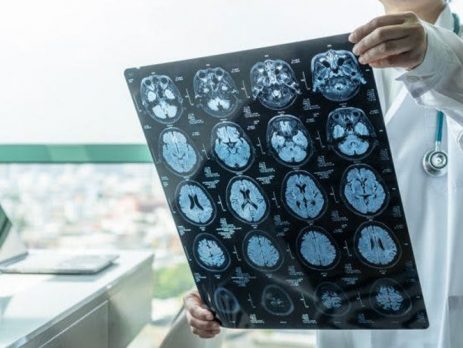
An acquired brain injury may occur after birth for a variety of reasons, including stroke, TBI, or infectious disease. Depending on the severity and location of the acquired brain injury, individuals may experience physical, cognitive, and/or emotional effects. Fortunately, many effects can be improved with a combination of different treatments, such as therapy and medication. Therapists and physicians can guide individuals through the rehabilitation process and identify treatments that are safe and effective for their specific needs. This article will discuss the causes of acquired brain injury, its symptoms, and potential treatments to help promote recovery. What Is an Acquired Brain Injury? An acquired...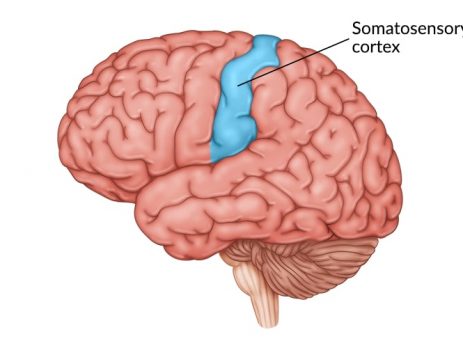
Somatosensory Cortex Damage: Symptoms, Treatment, and Recovery
The somatosensory cortex is the area of the brain responsible for processing sensory input from the body. It lies next to the primary motor cortex, which helps control purposeful movement. When the somatosensory cortex sustains damage, this can result in sensory deficits and, due to its location, can even affect movement and balance. Thankfully, individuals with somatosensory cortex damage can work to improve their function and quality of life through rehabilitation. In this article, you will learn more about somatosensory cortex damage, secondary effects, and how these effects can be rehabilitated. What Is the Somatosensory Cortex? The somatosensory cortex is responsible for processing all bodily...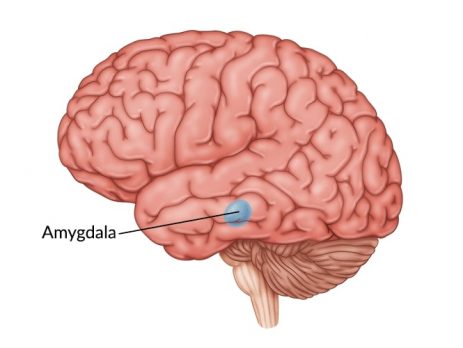
Damage to the Amygdala: Understanding the Functions, Symptoms, & Treatments
The amygdala is an almond-shaped structure in the brain that is responsible for emotional and behavioral regulation, particularly the body’s response to fear. Damage to the amygdala can often be caused by stroke, traumatic brain injury, and other neurological conditions. Individuals with amygdala damage may experience various emotional and behavioral effects such as impaired decision-making, hypervigilance, or anxiety, just to name a few. Fortunately, symptoms of amygdala damage can improve with a combination of treatments, including medication and therapy. This article will discuss how damage to the amygdala can affect emotions and behavior, and effective treatment options to promote recovery. What Is the...