
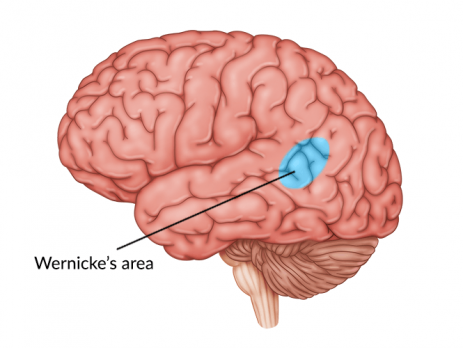
Damage to Wernicke’s Area: Understanding the Causes, Symptoms, & Stages of Recovery
Damage to Wernicke’s area, located in the left hemisphere of the brain, can lead to various speech and language disorders, particularly Wernicke’s aphasia. Individuals with Wernicke’s aphasia can typically speak fluently, but their speech is often nonsensical and lacks meaning. This condition can make it difficult for the survivors to communicate with their loved ones, which can be frustrating. Fortunately, Wernicke’s aphasia can be improved with a combination of speech and language therapy exercises and helpful tactics. This article will discuss what happens when Wernicke’s area sustains damage and how the recovery process works. What is Wernicke’s Area? Wernicke’s area is located in the...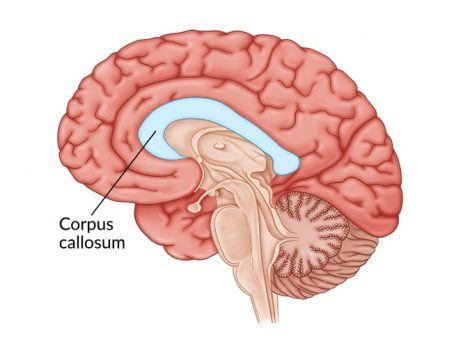
Corpus Callosum Damage: What to Expect and How to Treat It
The corpus callosum connects the left and right hemispheres of the brain and allows information to pass between sides. While damage to the corpus callosum is rare, it can cause a variety of symptoms that may affect cognitive, emotional, and/or physical abilities. With the help of rehabilitative therapies, individuals may be able to overcome the effects of corpus callosum damage and regain function. What Is the Corpus Callosum? The corpus callosum is a hard, C-shaped structure found deep in the middle of the brain. It is made up of a thick bundle of nerve fibers and acts as a connective pathway that...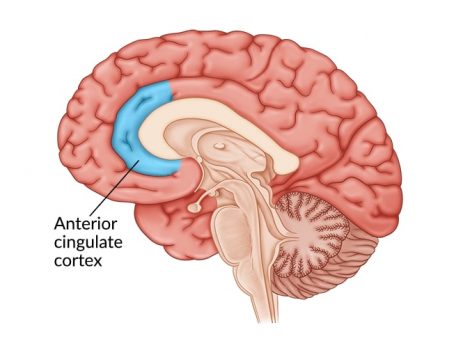
Anterior Cingulate Cortex Damage: Understanding the Secondary Effects & Recovery Process
Anterior cingulate cortex damage can result in different cognitive, emotional, and even physical effects. For example, someone with damage to the anterior cingulate cortex may sustain cognitive impairments such as poor decision-making skills or they may develop emotional effects such as a lack of empathy. In this article, you will learn the basic functions of the anterior cingulate cortex, what happens when anterior cingulate cortex damage occurs, and how the recovery process works. Anterior Cingulate Cortex Function The anterior cingulate cortex is located near the front of the brain and wraps around the head of the corpus callosum. It connects to other brain regions...