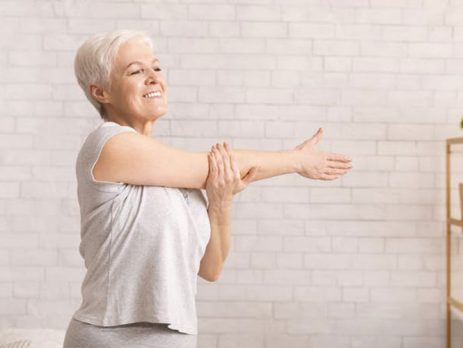

Balance Exercises for Stroke Patients: How to Improve Stability
A stroke can affect a person’s mobility and balance in many different ways. While a stroke typically affects one side of the body, there may also be other impairments that increase your falls risk. Luckily, balance skills can be recovered through specific balance exercises for stroke patients and repetitive training. By practicing balance rehab exercises, you’ll encourage the brain to rewire itself and strengthen the connections to weak muscle groups and motor pathways. Balance is a complex integration of multiple systems in our body working together to keep us in equilibrium and moving safely. By first understanding what balance is comprised...
Core Exercises for Stroke Patients: 15 Ways to Improve Trunk Control, Gait, & Balance
Core exercises for stroke patients help improve stability throughout the body, which helps improve balance and gait (your manner of walking). Building core strength and coordination through trunk control exercises can also help reduce your risk of falling and prevent further injury or complications. It’s important to find core exercises that are safe and suitable for your level of ability. To help you get started, we’ve compiled a list of the most effective core exercises for stroke patients. Use the links below to jump straight to any section of this article. Why Core Strength Matters During Stroke Recovery Core exercises are essential for improving balance and stability...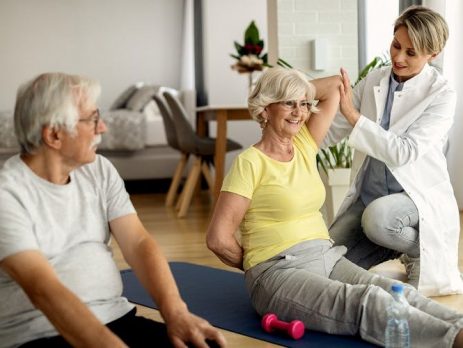
Home Exercise Program for Stroke Recovery: How to Build the Perfect At-Home Regimen
After discharge from the hospital after a stroke, many survivors participate in outpatient therapy about once per week. However, this may not be enough to produce fast results. Fortunately, incorporating a home exercise program for stroke recovery can help keep the brain stimulated and encourage recovery to continue. This article will discuss the benefits of post-stroke rehabilitation, as well as the various types of exercises you can include in your home exercise program for stroke recovery. The Benefits of Exercise At Home After Stroke A home exercise program after stroke allows survivors to improve mobility in the months and even years after discharging...