Understanding a Frontal Lobe Stroke: Causes, Side Effects, and Recovery
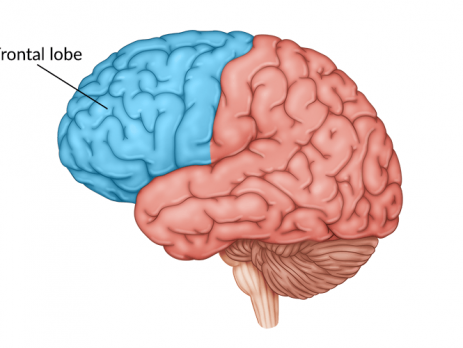
The frontal lobe is the largest part of the brain. It handles higher cognitive functions, including language, memory, problem solving, and judgment. The frontal lobe also plays a big role in our emotional expression, personalities, and movement. Therefore, recovery from a frontal lobe stroke can be particularly difficult if you don’t know where to start. You’re about to learn what to expect from a frontal lobe stroke and how to promote a successful recovery. Understanding the Frontal Lobe’s Function The frontal lobe is comprised of two paired lobes known as the left and right frontal cortex. Together, these lobes comprise almost two-thirds of the...
Understanding Massive Stroke: Secondary Effects & Methods for Recovery
What Is a Massive Stroke? A stroke occurs when the supply of blood in the brain is compromised. When blood flow in the brain is interrupted by a clot, it’s called an ischemic stroke. When an artery in the brain bursts, causing uncontrollable bleeding, it’s called a hemorrhagic stroke. When the brain does not receive enough blood supply, brain tissue damage can occur. After a massive stroke, many areas of the brain can be substantially affected or die. While you cannot revive dead brain cells, the healthy areas of the brain can step in to pick up some slack. Before we dig into that process,...
Helpful Hand Exercises for Stroke Patients of All Ability Levels
If you’ve experienced a stroke that affected your hand function, then these therapeutic hand exercises may help improve your hand mobility, strength, and fine motor skills. You will maximize the benefit from these hand exercises for stroke patients through consistency and high repetition. Massed practice on a daily basis is the best way to increase your hand function and recovery post-stroke. The following stroke exercises for the hand are organized from easiest (Level 1) to hardest (Level 3). Stroke survivors that have more hand weakness or paralysis can start with Level 1. Others can still use the Level 1 as a warm up and...