Shoulder Exercises for Stroke Patients from an Expert Occupational Therapist
These shoulder exercises for stroke patients can help relieve pain and improve shoulder subluxation and range of motion. Be sure to do them carefully as improper form can worsen shoulder subluxation, and potentially lead to frozen shoulder! Before we dig into the stroke rehab exercises, we’ll explain what these shoulder conditions are. Benefits of Shoulder Exercises for Stroke Patients Physical and occupational therapy exercises are a great way to improve mobility after stroke by retraining the brain. Retraining the brain (a process formally known as neuroplasticity) may also help reduce pain, especially when the pain is caused by mobility impairments like shoulder subluxation and frozen shoulder. Shoulder exercises for stroke...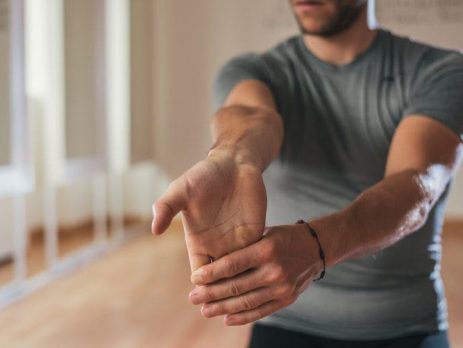
Passive Range of Motion Exercises for Stroke Patients to Help Improve Mobility
Passive range of motion exercises for stroke patients can help reduce spasticity and eventually improve mobility. Hopefully you can work some of these range of motion exercises into your daily routine. But first, it’s important to understand the difference between active and passive exercise. Passive vs. Active Range of Motion Passive range of motion exercises refer to movements in which you exert no effort in the targeted muscles. Passive range of motion exercises can be performed on your own (with the help of your non-affected side) or with the help of another person (like a therapist or trained caregiver). Active range of motion exercises, on the other hand,...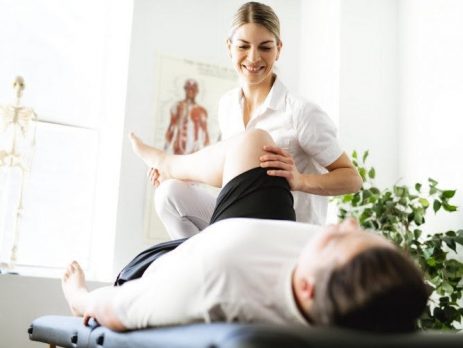
Exercise for Stroke Patients with Paralysis: How to Get Started
Exercise for stroke patients is the foundation of the healing and recovery process, whether the arm can move or requires assistance to move. You’re about to learn the difference between active and passive exercise and why it helps paralysis recovery after stroke. Then, you’ll discover some examples of exercises to do. If you feel unsure about your chances of recovery from post-stroke paralysis, these exercises will empower you to actively do something for your recovery as well as taking charge of your body. Active vs Passive Rehab Exercise Active rehab exercise involves doing a movement on your own. Passive exercise involves assisting your affected limbs through a...