Writing Exercises For Stroke Patients to Improve Agraphia
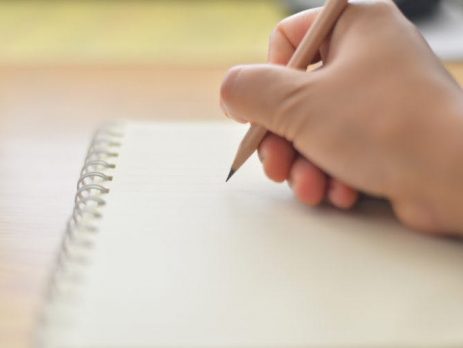
The inability to write after a stroke is called agraphia. It’s primarily caused by impaired motor control in the hand (peripheral agraphia) or disrupted language processing skills (central agraphia). Writing exercises for stroke patients can help improve agraphia by retraining fine motor skills and cognitive functioning. This article includes the most effective writing exercises for stroke patients with peripheral or central agraphia. Writing Exercises for Stroke Patients with Peripheral Agraphia (Hand Weakness) First, we’ll cover writing exercises for stroke patients with peripheral agraphia. Patients with peripheral agraphia know what they want to write, but they don’t have the fine motor control to manage writing skills due...
Tremors After Stroke: Causes, Diagnosis, & Treatment
Tremors after stroke are characterized by rhythmic, unintentional shaking. However, tremors are not the only condition that can cause unintentional movement. Therefore, it’s important to work with your medical team for an accurate diagnosis. To help you understand what’s happening, this article will walk you through the symptoms of tremors after stroke and how they differ from other motor disorders. Then you’ll learn about the best treatments to manage and reduce tremors after stroke. Let’s get started. Symptoms of Tremors After Stroke Tremors involve unintentional, uncontrollable rhythmic movement in the body. There are many different types of tremors. The one most commonly seen in stroke patients is...
Clonus After Stroke: How to Get a Handle on Uncontrollable Shaking
Clonus after stroke results in uncontrollable, rhythmic shaking similar to tremors. However, clonus is its own condition and needs to be treated as such. To help you understand clonus after stroke, you’re about to learn the causes, symptoms, and treatment. Let’s get started. Cause of Clonus After Stroke Clonus is a neurological condition that results in unintentional, pulsing muscular contractions. Specifically after stroke, clonus may occur if the stroke damaged the motor neurons in the brain. These neurons are responsible for getting information from your brain to your muscles. Clonus after stroke most commonly occurs in the ankles and knees, but it can occur in...