5 Treatments for a Frozen Shoulder After Stroke that Reduce Pain and Improve Mobility
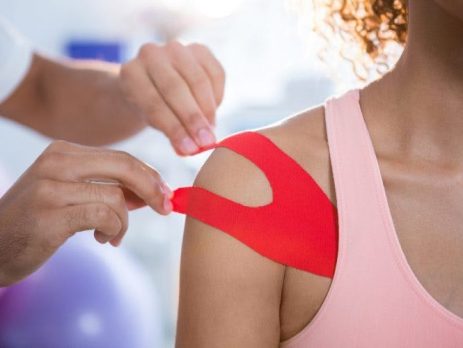
Frozen shoulder after a stroke is a painful condition that negatively impacts your quality of life. This article will explain the various causes of frozen shoulder after a stroke and how to treat the condition. What Causes Frozen Shoulder After Stroke? The shoulder is a vulnerable and complicated ball-and-socket joint encased in connective tissue. Frozen shoulder occurs when the connective tissue thickens and tightens around the shoulder joint, resulting in restricted and painful movement. Frozen shoulder is caused when the arm is immobilized for a long period of time. Stroke patients with arm paralysis are particularly at risk for this condition. If paralyzed patients do not participate...
Pseudobulbar Affect Treatment: How to Choose the Right Path for You
If you struggle with uncontrollable emotional outbursts after stroke, you may have a condition known as pseudobulbar affect. This condition causes extreme emotional reactions that are oftentimes inappropriate to the situation or context. For example, you might start sobbing uncontrollably when you are only mildly sad about something, or laughing at situations that are not necessarily funny. Today you will learn the various treatments available for pseudobulbar affect. Different people will react differently to treatment, so it’s important to understand all your treatment options before you begin. Cause of Pseudobulbar Affect Pseudobulbar affect (PBA), also known as emotional lability, occurs after damage to areas...
How to Overcome Flaccidity After Stroke and Regain Movement
Flaccidity after stroke often occurs in the early days of stroke rehabilitation, but in extreme cases it can continue. It refers to a complete lack of voluntary movement caused by damage to the neural pathways in the brain. To help you better understand this stroke effect, you’re about to learn the causes and treatments for flaccid paralysis. Let’s begin. What is Flaccidity After Stroke? Flaccidity (also known as flaccid paralysis) after a stroke corresponds to the first stage in the Brunnstrom Stages of Stroke Recovery. For some stroke survivors, this is the initial period immediately following a stroke. However, not all stroke survivors will demonstrate complete flaccidity...