

How to Use Positive Psychology to Treat Post-Stroke Depression
More than 40% of stroke survivors deal with post-stroke depression. And with over 795,000 people experiencing strokes every year in the US, that means there is a staggering number of people with post-stroke depression. While many doctors treat depression with medication, there’s a natural approach called positive psychology that may also help. Before we dive in, it’s important to understand the different causes of post-stroke depression. The Main Causes of Post-Stroke Depression The cause of post-stroke depression varies from person to person, and it can include one or more of the following: 1. Changes to the Brain Stroke can cause depression through biological changes to the brain. For...
MCA Stroke: Causes, Symptoms & Treatment for Stroke in the Middle Cerebral Artery
Middle cerebral artery stroke, called MCA stroke, is a neurological injury that can result in a variety of secondary effects, altering daily life for many survivors. Fortunately, there is hope for recovery through consistency, dedication, and commitment to an intentional rehabilitation program. In this article we will discuss the causes of MCA stroke, common symptoms, and treatment to get you back to the activities you love. What Causes MCA Stroke? MCA stroke occurs when blood flow through the middle cerebral artery in the brain is interrupted. This can be due to ischemia, where blood flow is partially restricted, or infarct, where blood flow is restricted...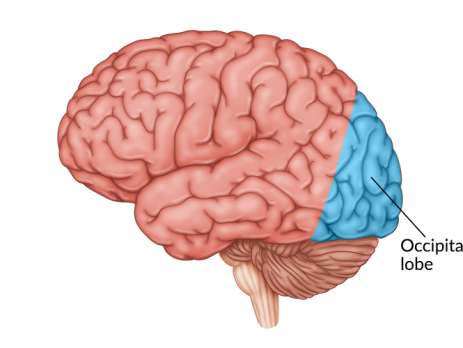
Understanding Occipital Lobe Stroke: What It Affects & How to Recover
A stroke in the occipital lobe often causes vision problems since this area of the brain processes visual input from the eyes. A stroke can be isolated to the occipital lobe, or it may be more widespread, affecting nearby brain structures such as the cerebellum, brain stem, thalamus, or temporal lobe. Many occipital lobe stroke survivors sustain hemianopia, or partial blindness. This can be remedied, at least to some degree, through vision restoration therapy. In fact, a new 2021 study focused on survivors of occipital lobe stroke shows that rigorous vision training may help improve hemianopia, even months after the stroke occurred. This article will discuss everything you...