Learned Nonuse: What Happens When Survivors Neglect Their Affected Side
Learned nonuse occurs when an individual suppresses the use of their affected limb, often after a stroke has impaired movement on that side. If the condition persists, it can lead to muscle atrophy and loss of motor and sensory function. Since this condition can progressively worsen function, it is important to learn ways to avoid it. This article will help you better understand what learned non-use is and how to prevent it. What Is Learned Nonuse? Learned nonuse typically occurs as a result of hemiparesis, which involves weakness on one side of the body. To compensate, the stroke survivor will often use their unaffected...
Understanding the Difference Between Hemiplegia vs. Hemiparesis
Hemiplegia and hemiparesis are two of the most common physical effects of stroke. Because of their similar-sounding names, patients often confuse the two terms. However these conditions are actually quite different. In this article, you’ll learn the difference between hemiplegia vs hemiparesis plus how to treat them both. Although the symptoms are different, both hemiparesis and hemiplegia share the same underlying cause, which means some treatments will overlap. Definition of Hemiplegia vs. Hemiparesis The term “hemi” in both hemiplegia and hemiparesis refers to symptoms that occur on one half of the body. Therefore, both of these conditions affect either the patient’s left or right...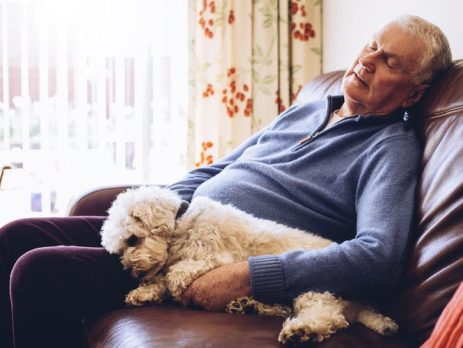
Understanding Excessive Sleeping After Stroke: Why It Happens & How It’s Treated
Fatigue and excessive sleepiness after stroke may fall under a condition known as excessive daytime sleepiness (EDS). People with EDS often feel overcome by the need for sleep during the day. While sleep is crucial for promoting a healthy recovery, excessive sleepiness can be a sign of more serious underlying problems. This article will discuss why a stroke can cause excessive sleepiness, and explain when to seek medical attention. Benefits of Quality Sleep After Stroke Before we look at the causes of excessive sleeping after stroke, it’s important to note that drowsiness is a normal part of the early post-stroke phase of recovery. During this period, your brain...