


Understanding the Difference Between Hemiplegia vs. Hemiparesis
Hemiplegia and hemiparesis are two of the most common physical effects of stroke. Because of their similar-sounding names, patients often confuse the two terms. However these conditions are actually quite different.
In this article, you’ll learn the difference between hemiplegia vs hemiparesis plus how to treat them both. Although the symptoms are different, both hemiparesis and hemiplegia share the same underlying cause, which means some treatments will overlap.
Definition of Hemiplegia vs. Hemiparesis
The term “hemi” in both hemiplegia and hemiparesis refers to symptoms that occur on one half of the body. Therefore, both of these conditions affect either the patient’s left or right side, depending on where the stroke occurred.
The term “plegia” is from a Greek word that originally denoted a stroke. In modern medicine, the word is mostly used to refer to paralysis. Therefore, hemiplegia means paralysis on one half of the body, usually as a result of stroke. However, traumatic brain injury, spinal cord injury, and other neurological conditions can also cause hemiplegia.
In contrast, the term ”paresis” sounds a lot like paralysis, but it actually denotes weakness. This means that hemiparesis refers to weakness on one side of the body.
To sum up the definitions then, hemiparesis causes weakness in one half of the body, while hemiplegia causes paralysis. For example, a person with hemiparesis could still move their arm to a lesser degree, but a person with hemiplegia would not be able to move their affected side at all.
Causes of Hemiplegia and Hemiparesis
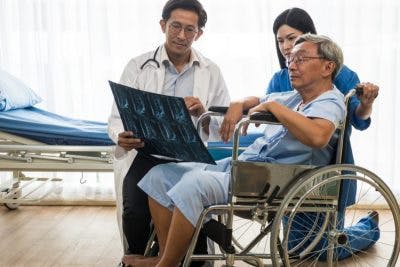
Both hemiplegia and hemiparesis share the same root cause: decreased communication between the brain and the muscles. In fact, hemiplegia is simply a more severe form of hemiparesis. To better understand this, it will help to know how the brain and muscles interact.
Each side of the brain controls movement on the opposite side of the body. Certain parts of the brain, such as the primary motor cortex, send a complex array of signals to the muscles, which enables you to move them on command.
However, when a stroke damages these areas of the brain, those signals become interrupted. As a result, the muscles are not able to respond to the brain’s directions.
If the damage was somewhat mild, the signal from the brain can still reach the muscles, but these signals will be weaker. Therefore while the person will have difficulty moving their arm, it will still be possible to move. This is hemiparesis.
If, on the other hand, the patient suffered a severe stroke, then the neural connections will be completely severed and the muscles will become paralyzed.
Fortunately, the brain possesses a remarkable ability to repair these connections, known as neuroplasticity. Harnessing this ability can help stroke patients overcome both hemiparesis and hemiplegia after stroke.
How Neuroplasticity Helps Motor Issues After Stroke
Neuroplasticity refers to the brain’s ability to reprogram itself by forming new neural connections in response to certain stimuli. This allows the brain to reassign functions to different areas of the brain when necessary.
For example, after a stroke, the parts of the brain that normally control movement might become damaged. But thanks to neuroplasticity, the brain can transfer the functions previously controlled by the injured area to other, undamaged regions.
You can activate neuroplasticity through massed practice of therapeutic rehab exercises. For instance, practicing leg exercises can help strengthen the neural connections that control leg movement, which in turn improves the ability to walk.
However, exercise can be difficult when you suffer from hemiparesis or hemiplegia after stroke. Still, there are effective ways to activate neuroplasticity even when you can barely move. We’ll discuss some of these methods in the sections below.
Treatments for Hemiparesis and Hemiplegia
While patients with hemiplegia will need to take extra steps in their recovery, both individuals with hemiparesis and hemiplegia can recover their movement and strength to some degree.
The following are 3 ways to treat hemiplegia and hemiparesis after stroke:
1. Passive Rehab Exercises
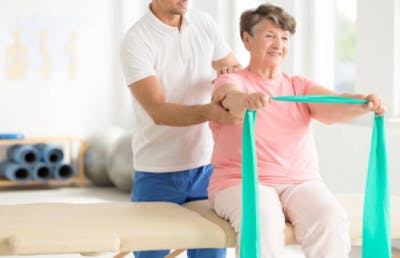
Individuals with hemiplegia can regain movement in their paralyzed muscles by practicing passive exercise. This simply means assisting your affected side with your non-affected side. You can even have a caregiver help.
Although you do not move on your own, passive exercise still helps engage the brain’s ability to rewire itself. This will slowly repair the neural connections in your brain so that you can move those muscles in the future.
Be patient though. It takes consistent,dedicated practice of passive exercise to regain mobility. But it is possible. For some encouragement on your journey, check out these stroke paralysis success stories if you ever start to lose hope.
Patients with hemiparesis can also benefit from passive rehab exercises, especially if their weakness is severe.
2. Active Rehab
For individuals with hemiparesis after stroke, active exercise may be the most productive treatment. Moving your muscles even just a small amount can directly activate neuroplasticity.
Not only does this help activate neuroplasticity, but it also helps strengthen the affected muscles, which may have lost strength. When stroke patients stop using their affected side as much, the muscles lose some mass (muscle atrophy) and exercise helps.
3. Mirror Therapy
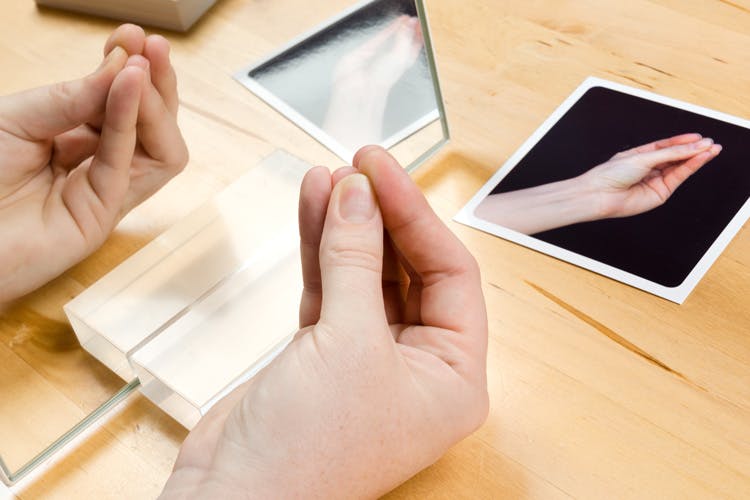
Finally, tabletop mirror therapy is a great way to recover from hand weakness or paralysis after stroke.
It involves placing a mirror over your affected hand and doing hand therapy exercises with your non-affected hand. This “tricks” your brain into thinking that you are moving your affected hand and helps rewire the brain.
We also have covered a unique hand paralysis story where a woman combined mirror therapy with paralysis exercise to help her husband regain movement in his paralyzed hand after stroke.
Understanding the Difference Between Hemiplegia vs Hemiparesis
In conclusion, hemiplegia refers to paralysis on one side of the body after a stroke, while hemiparesis causes weakness on one side. Both problems are caused by damaged communication between the brain and the muscles.
Fortunately though, you can treat both by engaging neuroplasticity. Patients with hemiplegia can activate their neuroplasticity through passive exercises. Those with hemiparesis should engage in active rehab exercises.
With consistent rehabilitation, you can restore the brain’s neural connections to your muscles, which will lead to improved mobility and a better recovery from stroke.
Keep It Going: Download Our Stroke Recovery Ebook for Free

Get our free stroke recovery ebook by signing up below! It contains 15 tips every stroke survivor and caregiver must know. You’ll also receive our weekly Monday newsletter that contains 5 articles on stroke recovery. We will never sell your email address, and we never spam. That we promise.