
Benign Vertigo vs. Stroke: How to Differentiate & Why Proper Testing Matters
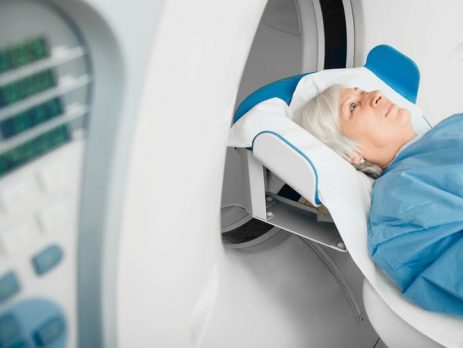
Understanding the difference between vertigo vs stroke can help healthcare providers save tens of thousands of lives each year – and a new testing technique can help. You’re about to learn the difference between benign vertigo and stroke, and how each condition is tested and diagnosed. Understanding these differences has major implications for healthcare providers and patients alike. Comparing the Symptoms of Stroke vs. Vertigo Before we discuss how a stroke is diagnosed when vertigo is present, let’s briefly cover the cause of a stroke. A stroke occurs when the supply of blood in the brain is compromised by a clogged or burst artery. It’s...
Vomiting After Stroke: Understanding Why It Happens & How to Treat It
Vomiting after stroke is a worrisome condition as it depletes the body of vital fluids and nutrients. Is there a way to make it stop? There are various causes of vomiting after stroke, and each requires its own separate treatment. This makes a correct diagnosis critical for recovery. Work closely with your medical team to perform all necessary tests to determine the cause of persistent vomiting after stroke. To boost your understanding, this article will discuss the causes and treatments for vomiting after stroke. Understanding the Causes of Vomiting After Stroke Persistent vomiting after stroke should be treated like a medical emergency. If patients lose...
Muscle Twitching After Stroke: It Could Be More than Spasticity
Have you ever felt alarmed by muscle twitching after stroke and wondered what caused it? Sometimes muscle twitching is a sign of spasticity, but it could also indicate other issues. For this reason, it’s important to talk to your physician if you’re concerned about muscle twitching. This article will highlight the 4 most common causes of muscle twitching and some effective method for recovery. 4 Causes of Muscle Twitching After Stroke Before we get started, it’s important to know that you should consult your doctor or therapist if your symptoms are accompanied by pain, discomfort, or reduced quality of life. Your doctor can help...