
Ritalin for Brain Injury: Can It Actually Help with Recovery?
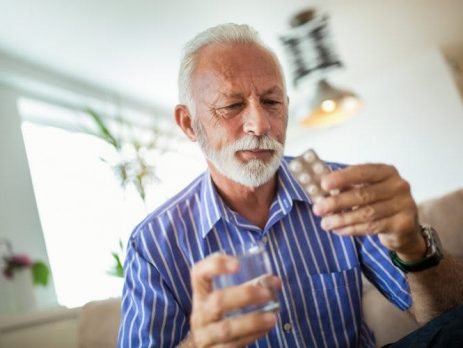
Can taking the medication Ritalin for brain injury boost cognitive function after TBI? You’re about to learn how Ritalin can impact brain injury recovery and which cognitive impairments it can help you overcome. To help you decide whether this drug will benefit you, today’s article will discuss the pros and cons of Ritalin for brain injury. How Ritalin Works Ritalin, also known as methylphenidate, is a drug that enhances neurotransmitter activity in the brain. Neurotransmitters are chemical messengers that allow neurons to communicate with each other. The more neurotransmitters available to the brain, the more efficiently the various neurons can send messages. This will improve...
Gabapentin and Brain Damage: Side Effects and Benefits
Gabapentin has been successfully used to treat some of the effects of brain damage. However, prolonged use can cause serious side effects. Today you will learn more about the use of gabapentin for brain injury and what symptoms it can help relieve. What Is Gabapentin Used For? Gabapentin is an anticonvulsant medication primarily used to treat partial seizures and neuropathy. It is also one of the few drugs that can cross the blood-brain barrier and enter the central nervous system. It works by changing the way nerves send messages to the brain. For people without brain damage, pain is detected in the following way: Nociceptors (pain receptors)...
Relearning the Activities of Daily Living After Traumatic Brain Injury: The Key to Independence
After a traumatic brain injury, one of the main goals of recovery is to restore a person’s ability to live on their own. To accomplish this, occupational therapists will focus on helping their patients practice activities of daily living. In today’s article, we’ll discuss what these activities of daily living are, and what you can do to relearn them and recover your independence. Activities of Daily Living After Traumatic Brain Injury Activities of daily living (ADLs) are the daily tasks a person needs to perform for basic survival and well-being as an independent adult. The following are five daily living skills that many severe TBI patients...