What Does a Stroke Feel Like? Symptoms and Survivor Stories
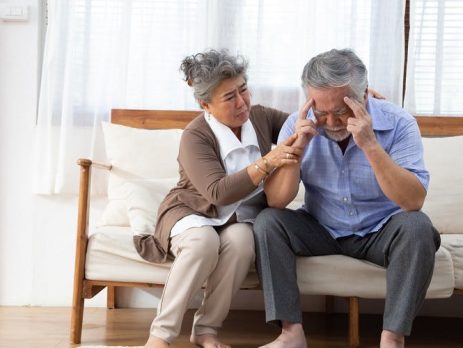
Understanding what it feels like to have a stroke can help others find empathy and compassion for survivors. It can also help you understand how to identify a stroke and help someone get the emergency medical attention they need. There is a popular saying in the stroke rehabilitation field that every stroke is different and therefore every recovery is different. This also applies to what a stroke feels like. Since every stroke is different, every person will experience different symptoms and sensations. The best way to understand what it feels like to have a stroke is to understand how a stroke affects the body and...
What Causes a Stroke? Understanding Risk Factors & Prevention
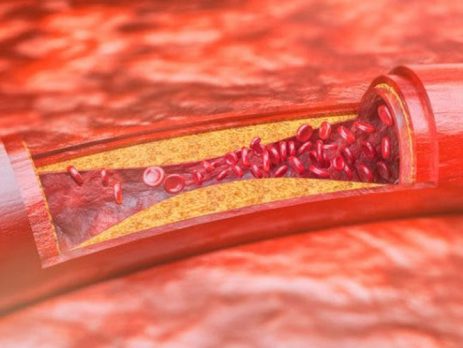
Stroke is the 5th leading cause of death in the US and a leading cause of long-term disability. Fortunately, many strokes can be prevented if the right steps are taken early on. To help with this, it’s essential to know what causes a stroke, what risk factors increase your chances of having a stroke, and what steps you can take for prevention. Knowing this information can minimize damage to the brain and potentially save a life. What Causes a Stroke? A stroke is a neurological injury caused by disruption to the flow of blood within the brain. This can be caused by the bursting or...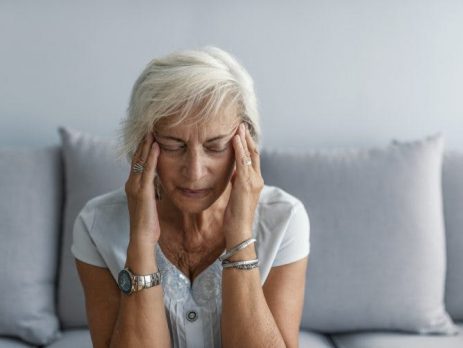
Stroke Warning Signs: What to Look for & When to Call for Help
Can you identify the major stroke warning signs? Over 795,000 strokes occur in the US each year, and it’s crucial to know how to recognize the early signs of a stroke and when to act. Time lost is brain lost, and immediate medical attention is essential for stabilizing the damage and minimizing the secondary effects of a stroke. By identifying the early warning signs of a stroke and seeking timely care, you could potentially save a life. Here’s everything you need to know about the early signs of a stroke and when to seek emergency medical attention. What Is a Stroke? Before we share what the early...