


Atherosclerosis and Stroke: How Excess Plaque May Cause Stroke
Atherosclerosis and stroke are closely related because they share common risk factors. In fact, having atherosclerosis can even lead to the occurrence of a stroke. By proactively managing the risk factors that may cause atherosclerosis to develop, individuals can significantly reduce their risk of having a stroke.
How Atherosclerosis Causes a Stroke
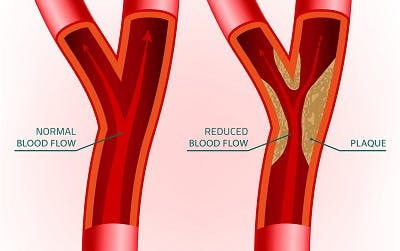
Atherosclerosis develops when fat, cholesterol, and other substances accumulate in the inner lining of your arteries. This buildup is called plaque and it can cause the arteries to narrow and harden.
A stroke occurs when an artery within or leading to the brain becomes clogged (ischemic stroke) or bursts (hemorrhagic stroke). This cuts off the supply of oxygen-rich blood to the brain, which causes brain cells to die.
Atherosclerosis can affect the arteries in any region of the body. When it develops in the arteries leading to the brain (the carotid and vertebral arteries) or within the brain (the intracranial arteries), it increases the risk of an ischemic stroke. In fact, most ischemic strokes are caused by atherosclerosis.
Risk Factors for Atherosclerosis and Stroke
A major reason why atherosclerosis can significantly increase one’s risk of having a stroke is that the two conditions share many risk factors.
Common risk factors for both atherosclerosis and stroke include:
- high cholesterol
- high blood pressure
- smoking
- insulin resistance
- diabetes
- obesity
- lack of physical activity
- older age
- family history of heart disease
Many of these risk factors contribute to the buildup of plaque within the arteries or increase chances of blood clotting. For example, smoking causes the blood vessels to constrict, and high blood pressure can damage the walls of arteries that have been narrowed by plaque buildup.
Therefore, by effectively managing these risk factors, individuals can significantly minimize their risk of developing atherosclerosis and having a stroke.
In the following section, we’ll discuss signs of a stroke and when to seek medical attention.
Signs of a Stroke Due to Atherosclerosis
Often, individuals with atherosclerosis do not experience any symptoms until the condition becomes severe. As a result, many people do not get diagnosed with atherosclerosis until after they have a stroke.
When a blood clot gets caught in a narrowed artery, the supply of oxygen-rich blood to the associated area of the brain gets cut off. As a result, individuals may experience early warning signs of stroke such as:
- Paralysis/weakness on one side of the body
- Confusion
- Speech difficulties
- Vision problems
- Dizziness
- Sudden, severe headache
- Facial drooping
- Vertigo
If you notice yourself or anyone around you experiencing any of these signs, seek emergency medical attention immediately. Timing plays an essential role in the treatment of a stroke. For example, a blood-thinning drug called tPA may be used to clear the blood clot and restore blood flow; however, it is best used within 4.5 hours of the onset of stroke. Timely treatment can help minimize damage to the brain and preserve as much function as possible.
However, when possible, it’s best to be proactive and manage atherosclerosis before a stroke happens. Up next, we’ll discuss various ways atherosclerosis can be managed to help prevent a stroke altogether.
How to Manage Atherosclerosis to Prevent a Stroke
Treatments for atherosclerosis typically focus on minimizing the formation of blood clots, reducing risk factors, and expanding the arteries. Various interventions such as taking medications, undergoing surgery, and making healthy lifestyle adjustments may be recommended.
Below are some ways atherosclerosis can be managed to potentially prevent a stroke:
1. Making Healthy Lifestyle Changes
Adopting healthy lifestyle changes is one of the most effective ways to prevent atherosclerosis from progressing.
By quitting smoking, following a heart-healthy diet plan, maintaining a healthy weight, and increasing physical activity, individuals can significantly minimize their risk of having a stroke.
2. Antiplatelet Medication
Antiplatelet medications thin the blood and discourage the formation of blood clots. Common antiplatelet medications include clopidogrel (Plavix), prasugrel (Effient), and acetylsalicylic acid (Aspirin).
Aspirin can help prevent stroke when atherosclerosis is present. However, always consult with a doctor before taking daily aspirin to make sure it’s safe. In some individuals, such as those with high blood pressure, daily aspirin can cause more harm than good.
If your doctor prescribes you with any of these medications, it’s essential to be extra careful with yourself and pay attention to any skin tears or wounds, no matter how small. If you get hurt and bleed, your body will not be able to clot as fast to stop the bleeding.
3. Statins
Statins are medications that help lower your LDL cholesterol levels. LDL cholesterol is typically referred to as ‘bad’ cholesterol because it contributes to the buildup of plaque in your arteries and promotes atherosclerosis.
Reducing LDL cholesterol levels can significantly minimize the progression of atherosclerosis and potentially reverse plaque buildup in the arteries.
4. Angioplasty and Stenting
Angioplasty and stenting are surgical procedures that expand narrowed arteries caused by plaque buildup. These surgeries can be performed on the arteries in the neck leading to the brain (carotid or vertebral arteries) or the arteries within the brain (the intracranial arteries).
Angioplasty involves placing a thin catheter into a narrowed artery. Once it is properly positioned, a tiny balloon at the end of the catheter is inflated to widen the artery and restore normal blood flow.
Then, stenting is performed, which involves placing a small tube (a stent) into the artery to keep it expanded long-term.
Here’s an interesting video that demonstrates how these procedures work:
5. Cerebral Artery Bypass Surgery
During cerebral artery bypass surgery, a surgeon reroutes blood flow around an atherosclerotic artery to prevent a blood clot from getting stuck. This surgery is generally preferred over an angioplasty and stent placement when there is severe atherosclerosis of the artery.
There are 2 ways to perform a cerebral artery bypass surgery. The first method involves taking an artery or vein from elsewhere in the body (called a vessel graft) and connecting it both above and below the blocked artery to reroute blood flow.
The second method involves detaching one end of an artery already present in the scalp or face (called a donor artery) and connecting it to an artery on the surface of the brain. This donor artery becomes the new source of blood flow to this region of the brain.
6. Carotid Endarterectomy
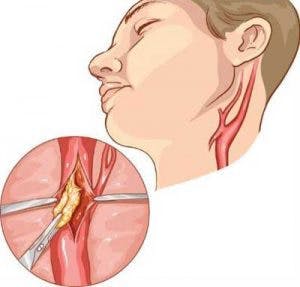
The carotid arteries are the primary suppliers of blood to the brain. When atherosclerosis develops in these arteries, individuals are at major risk for a stroke.
To help prevent a stroke, a surgeon can perform a carotid endarterectomy, which involves going directly into the carotid artery and removing excess plaque.
Atherosclerosis and Stroke: Key Points
Overall, atherosclerosis and stroke are closely related because excess plaque in the arteries can lead to an ischemic stroke.
There are several ways to manage atherosclerosis before it leads to a stroke, like surgery and dietary interventions.
If you or a loved one have atherosclerosis and worry that it may lead to a stroke, now is the time to talk to your doctor for recommendations to help prevent a stroke.
featured images: iStock/CreVis2/newannyart
Keep It Going: Download Our Stroke Recovery Ebook for Free

Get our free stroke recovery ebook by signing up below! It contains 15 tips every stroke survivor and caregiver must know. You’ll also receive our weekly Monday newsletter that contains 5 articles on stroke recovery. We will never sell your email address, and we never spam. That we promise.