
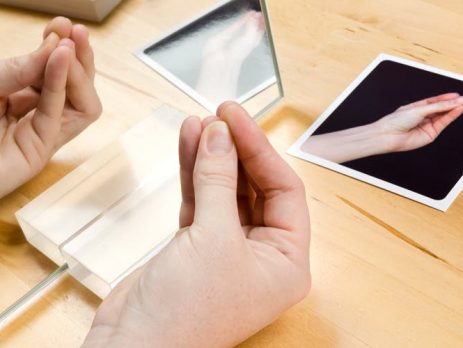
How to Treat Hand Paralysis After Stroke (A Story from a Post-Rehabilitation Specialist)
See how a post-rehabilitation exercise specialist named Margaret helped her husband recover from hand paralysis after stroke. His therapist said that he would never move his hand again – but Margaret proved the therapist wrong. See the exact steps she took for his hand paralysis treatment below. We hope it inspires your recovery. Recovering from Hand Paralysis Margaret never knew that her career as a post-rehabilitation exercise specialist would help her personal life one day. But after a massive stroke left her husband with hemiparesis, including hand paralysis, she quickly got to work. The prognosis for stroke patients with paralysis is not always good. In fact, Margaret’s...
Inflammation and Stroke: Breaking Down the Body’s Defense Mechanism
Most individuals experience some degree of inflammation in the brain after a stroke. While inflammation can be alarming, it helps to understand why acute inflammation occurs and how it’s necessary to promote healing immediately following an injury. However, when inflammation becomes chronic, or long-term, it can contribute to the development of potentially serious conditions and increase the risk of having another stroke. It can also be life-threatening depending on the location of the inflammation (either the brain or other areas of the body) and the severity of the injury. Fortunately, inflammation can be reduced through lifestyle and dietary changes, which can also help lower...
High Cholesterol and Stroke: How Are They Related?
Can high cholesterol cause a stroke? Generally speaking, yes — high cholesterol is one of the leading causes of stroke. However, not all cholesterol is bad. In fact, the body needs a certain amount of cholesterol to function optimally. To help you understand the link between high cholesterol and stroke, this article will discuss how cholesterol affects stroke risk as well as effective ways to manage cholesterol. The Link Between High Cholesterol and Stroke Cholesterol seems to have a bad reputation because it’s linked to many health risks, including the risk of stroke. But did you know that you need a certain amount of cholesterol...