
Corpus Callosum Stroke: Causes, Effects, and Treatment
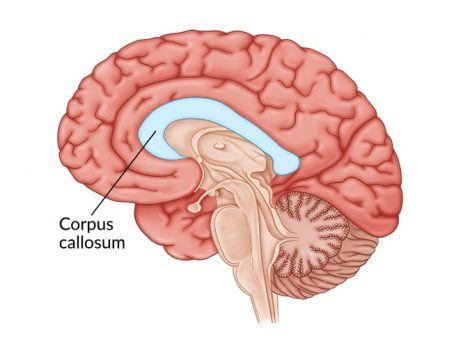
The corpus callosum is a structure in the brain that transfers motor, sensory, and cognitive information between the left and right hemispheres. While a corpus callosum stroke is rare, it can result in a wide range of secondary effects such as difficulties with movement or visual processing. Fortunately, there is hope for recovery after corpus callosum stroke. Causes of Corpus Callosum Stroke A stroke occurs when an artery in the brain is blocked (ischemic stroke) or bursts (hemorrhagic stroke). This disrupts blood flow within the brain, which results in cell deaths and loss of function. When an individual sustains a corpus callosum stroke,...
Mini Stroke Recovery: Causes, Symptoms, and Prevention
A mini stroke, also known as a transient ischemic attack (TIA), occurs when a temporary blood clot forms in one of the arteries of the brain. This causes stroke-like symptoms that usually resolve within 24 hours and do not cause permanent side effects. But while a mini stroke does not result in permanent disabilities, it is often a sign of an impending full stroke. In fact, 1 in 5 patients who experience a TIA will sustain a true stroke in the next year. Therefore, early treatment of TIAs and efforts to prevent a larger stroke are critical. To help with your mini stroke recovery, this...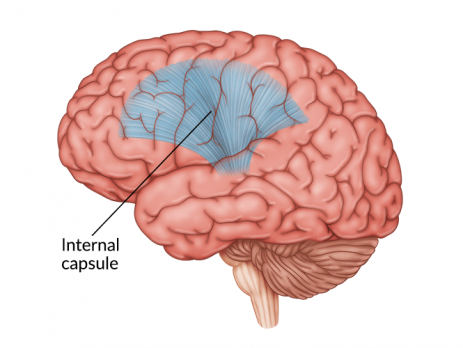
Understanding Internal Capsule Stroke: Symptoms & Recovery Process
An internal capsule stroke affects the tiny blood vessels deep within the brain. Because many crucial fibers pass through the internal capsule, even a small stroke in this area can result in a significant loss of motor control, sensation, or cognition. Fortunately, there are effective ways to recover functions affected by internal capsule stroke and improve your quality of life. Anatomy of the Internal Capsule The internal capsules are V-shaped structures located deep in the brain. Many motor, sensory, and cognitive fibers run through the internal capsules as they travel between the cerebral cortex (the outer layer of the brain) and the brainstem...