


Mini Stroke Recovery: Causes, Symptoms, and Prevention
A mini stroke, also known as a transient ischemic attack (TIA), occurs when a temporary blood clot forms in one of the arteries of the brain. This causes stroke-like symptoms that usually resolve within 24 hours and do not cause permanent side effects.
But while a mini stroke does not result in permanent disabilities, it is often a sign of an impending full stroke. In fact, 1 in 5 patients who experience a TIA will sustain a true stroke in the next year. Therefore, early treatment of TIAs and efforts to prevent a larger stroke are critical.
To help with your mini stroke recovery, this article will discuss the symptoms and causes of transient ischemic attacks. We will also explain what steps you can take to prevent a larger stroke from occurring.
Symptoms of Mini Strokes
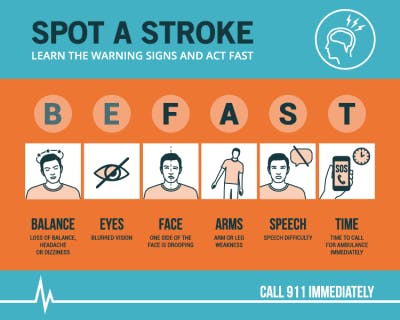
Mini strokes and full strokes have identical symptoms. To identify the signs and symptoms of both, think of the acronym F.A.S.T:
- Face. Face numbness and drooping, typically on one side
- Arm. Arm weakness
- Speech. Slurred speech or difficulty finding words
- Time. Seek emergency treatment immediately
Other common signs and symptoms include vision loss and a sudden severe headache. The effects of a mini stroke can last anywhere between 15 minutes and 24 hours.
Because mini strokes have the same symptoms as severe strokes, it is not possible to know whether you are having a transient ischemic attack or something more serious. Therefore, it is vital to get treated as early as possible.
Diagnosing a Transient Ischemic Attack
The only way to tell the difference between a TIA and a full stroke is to have a full evaluation by a doctor who will perform an examination and order imaging of your brain. Imaging, like CT scans or an MRI, can reveal the extent of damage that may have occurred during the stroke.
To determine the cause of your mini stroke, your doctor might order an ultrasound or echocardiogram to see if there is blockage or plaque in your arteries.
What to Expect After a Mini Stroke
Mini strokes do not cause permanent side effects. This means that mini stroke survivors do not need therapeutic rehab as you would with other strokes.
However, this does not mean that mini stroke survivors have an empty to-do list. Instead of rehabilitation, mini stroke recovery focuses on improving cerebral blood flow and preventing a second, more severe stroke.
This requires addressing the underlying cause of your TIA and making certain lifestyle changes to reduce your risk of stroke, which you’re about to learn.
Promoting a Successful Mini Stroke Recovery

Mini stroke survivors should work closely with their doctors to identify the cause of the mini stroke and prevent a full-size stroke.
Here are a few of common treatment options for mini stroke recovery that your doctor may recommend:
1. Anti-Platelets and Anti-Coagulants
Mini strokes are caused by a blood clot that temporarily blocks the flow of blood in the brain. Anti-platelet medications prevent your blood platelets from clumping together, which can reduce your risk of blood clots. Examples of these medications include aspirin and clopidogrel.
There are also other anti-coagulant drugs that do not target your platelets. Rather, they target a specific protein in the blood that causes clotting.
Both types of medications come with their own set of risks. Talk to your doctor to see which medications are best suited for your mini stroke recovery.
2. Surgical Interventions
If your arteries are narrowed and filled with plaque, you may require surgery to remove the plague and improve blood flow. This will help prevent a blood clot from getting stuck in the narrowed artery.
The most common surgical treatment for narrowed arteries is a carotid angioplasty. This is a minimally invasive procedure that involves inserting a catheter through your femoral artery in your groin. The doctor then places a stent at the artery’s narrow point, which widens your artery and improves blood flow.
If you have a severe blockage in your carotid artery, your doctor might recommend a more invasive procedure known as a carotid endarterectomy. This procedure allows the surgeon to clear your arteries of fatty deposits, which can greatly reduce your risk of a second stroke.
3. Lifestyle Adjustments

Last but not least, an individual’s lifestyle should often be addressed to help reduce major risk factors. The most common risk factors include:
- Hypertension
- Diabetes
- High cholesterol
- Obesity
- Smoking
- Chronic stress
It often works best to manage these risk factors with both the help of your doctor and through your own lifestyle changes.
For example, hypertension can be treated with medication and it can also be reduced with a reduced-sodium diet. Similarly, high cholesterol can be treated with medication and it can also be aided by a diet rich in fiber and reduced saturated fats.
Spend some time researching the best foods for stroke recovery and make sure to talk to your doctor before starting any new diet. For example, the popular ketogenic diet may increase cholesterol levels (at least initially) so individuals with high cholesterol should avoid experimenting with this diet unless cleared by a doctor.
Always take caution when making extreme new lifestyle choices, especially ones that may impact your arteries, like your diet.
Understanding Mini Stroke Recovery
Mini strokes resolve quickly and lead to a full recovery. However, while mini strokes themselves are not life-threatening events, they are a warning sign of a more serious stroke in the near future.
Therefore, patients who experience a TIA should take immediate steps to address any stroke risk factors they may have. If you can make these important adjustments early enough, you can improve your chances of avoiding a full stroke entirely.
Keep It Going: Download Our Stroke Recovery Ebook for Free

Get our free stroke recovery ebook by signing up below! It contains 15 tips every stroke survivor and caregiver must know. You’ll also receive our weekly Monday newsletter that contains 5 articles on stroke recovery. We will never sell your email address, and we never spam. That we promise.