

Understanding Incontinence After Stroke: Why It Occurs and How to Manage It
Shoulder pain after stroke can stem from a variety causes — and each responds to different treatment techniques. If you’re struggling with shoulder pain, it’s important to work with a therapist for an accurate diagnosis and treatment. This article will discuss everything you should know about relieving shoulder pain after stroke. We’ll start with the causes and then move onto rehabilitation. Causes of Shoulder Pain After Stroke Incontinence after stroke alters your ability to control your bladder and bowel movements. About half of all stroke patients admitted to the hospital experience incontinence, according to the Stroke Association. If you’re a stroke survivor, the most important thing for...
Can’t Recognize Faces After Stroke? You May Have Prosopagnosia
If you or a loved one can’t recognize faces after stroke, it could indicate a secondary effect called prosopagnosia — also known as “facial blindness.” This article will discuss the causes and treatment for prosopagnosia after stroke. Why Can’t I Recognize Faces After Stroke? Prosopagnosia is a neurological disorder that, most notably, impairs an individual’s ability to recognize faces. It can sometimes impair a person’s ability to recognize facial social cues as well. In some rare cases, people with the condition report difficulty recognizing other things like places or objects, however this would typically be classified as a different type of agnosia altogether. A major cause of prosopagnosia...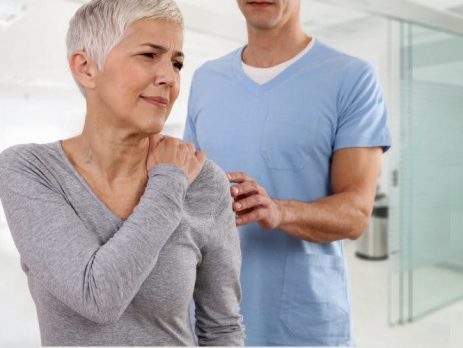
Shoulder Pain After Stroke: Causes & Treatment Methods
Shoulder pain after stroke can stem from a variety causes — and each responds to different treatment techniques. If you’re struggling with shoulder pain, it’s important to work with a therapist for an accurate diagnosis and treatment. This article will discuss everything you should know about relieving shoulder pain after stroke. We’ll start with the causes and then move onto rehabilitation. Causes of Shoulder Pain After Stroke Shoulder pain affects between 16-72% of patients with hemiplegia (paralysis of one side of the body) following stroke. While that’s a wide range, it shows that shoulder pain is a common problem after stroke, but why? Here are the most...