
Flying After Stroke: How Long to Wait + Tips for Safe Travel
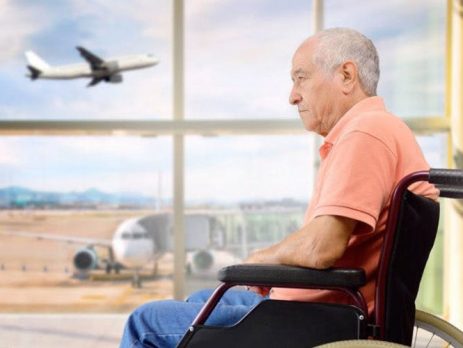
How long after a stroke can you fly? What medical conditions make flying unsafe? What’s the risk of having another stroke on the plane, and what happens in the worst-case scenario? These are all pressing questions for anyone looking to fly after stroke. To prepare you for safe travel, you’re about to learn the general guidelines for flying after stroke. Guidelines for Flying After Stroke The Stroke Association suggests that it’s best to wait at least two weeks to fly after stroke. If any new post-stroke conditions occur within the first two weeks, you want to have medical attention available. Every stroke is different, though, so everyone needs to wait...
Regressing After Stroke: When It’s Normal & When to Seek Medical Attention
Regressing after stroke could be a sign of a serious medical complication or the natural process of recovery. How do you know if it’s a good or bad sign? While it’s impossible to diagnose your medical condition over the internet, this article will explain possible causes of regression. That way, you can have an informed conversation with your doctor. If something serious is happening, seek immediate medical attention. When Regressing After Stroke Is a Medical Emergency If your post-stroke symptoms have worsened, take a look at what you have done in the last 24 hours. Did you do anything particularly unusual or participate in...
How to Care for a Stroke Patient at Home with 15 Best Practices
Learning how to care for a stroke patient at home is all about putting yourself in the survivor’s shoes. It’s also important to understand the medical complications that you can help manage, and this article will guide you through it. How to Care for a Stroke Patient at Home Here are our top tips for stroke caregivers at home: 1. Encourage daily rehabilitation exercise Many stroke patients struggle with motor impairments after stroke, and these need attention when the patient goes home. You can help your loved one recover by encouraging daily rehabilitation exercise to help rewire the brain. Regular movement is the best remedy...