Contractures After Stroke: How to Prevent and Reverse Them
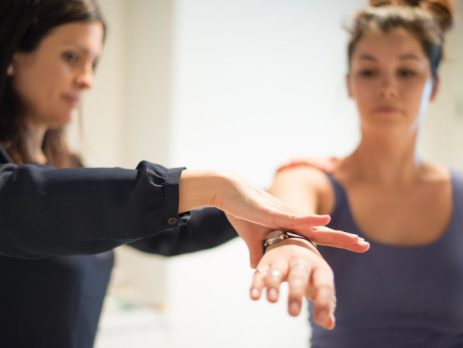
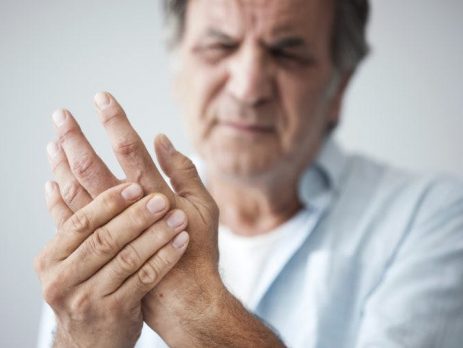
Contractures after stroke are a common complication and are characterized by stiffening or tightening of muscles, joints, and tendons. Contractures can develop in any joint or muscle group in the body that is affected by spasticity, commonly involving the hand, elbow, hip, knee, and ankle. Ultimately, this condition can affect your ability to perform functional activities including walking, transferring between surfaces, and self-care tasks such dressing or bathing. To help prevent and reverse contractures after stroke, it helps to understand why spasticity occurs and how these contractures develop. In this article we will discuss the causes of contractures as well as...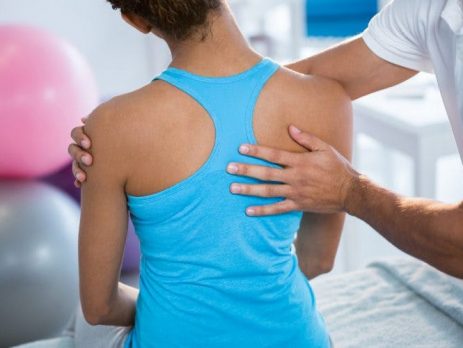
Shoulder Subluxation After Stroke: Treatment and Rehabilitation Exercises
Shoulder subluxation after stroke occurs when the arm becomes partially dislocated from the shoulder socket due to muscle weakness or paralysis. While this secondary effect of a stroke can be painful and limiting, recovery is often possible through the right rehabilitation regimen. To help you relieve pain and improve mobility, this article will discuss the causes and treatments for shoulder subluxation after stroke. You’ll also learn why shoulder subluxation exercises are the key to recovery. Causes of Shoulder Subluxation After Stroke The shoulder is a ball-and-socket joint and is the most mobile joint in the body, making it particularly susceptible to problems and injury. Shoulder...
Ocular Migraines and Stroke: Understanding the Link & Risk Factors
Ocular migraines and stroke are two conditions that share similar symptoms and can often be confused. Although an ocular migraine alone does not indicate a stroke, studies show that those who suffer from ocular migraines may be at a higher risk of experiencing a stroke. Understanding the causes and symptoms of both conditions can help you differentiate between ocular migraines and stroke to help you seek the proper medical care. This article will discuss how to tell the difference between ocular migraines and stroke, potential risk factors, and steps for preventative care. What Is a Stroke? Stroke is the 5th leading cause of death in the U.S. and...