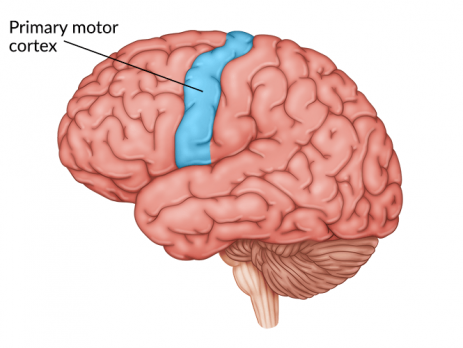
Primary Motor Cortex Damage: What to Expect & How to Treat
Primary motor cortex damage often causes problems with movement and coordination. Fortunately, many individuals with impaired motor control due to primary motor cortex damage can improve their mobility and quality of life. Primary Motor Cortex Functions The primary motor cortex is a strip of brain tissue located in the frontal lobe. It is responsible for initiating purposeful and intentional movements. These purposeful movements include everything from moving your hands, arms, and legs to controlling facial expressions and even swallowing. In a normal functioning primary motor cortex, signals cross over the center of the body to activate muscles on the opposite side. This means that the movements...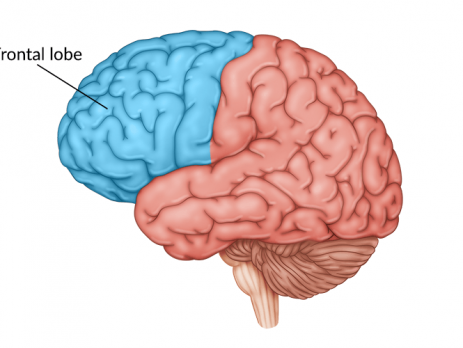
Frontal Lobe Damage: What to Expect and How to Recover
Frontal Lobe Functions When the frontal lobe becomes damaged by a traumatic brain injury, it can affect a person’s ability to carry out functions primarily based in this area. Before diving into the effects of frontal lobe damage, let’s briefly discuss the various functions of this area of the brain. The frontal lobe plays a major role in executive function, which regulates our behavior. Some examples of executive function include memory, problem-solving, and planning. The frontal lobe also contributes to emotion regulation. The left half of the frontal lobe is home to Broca’s area, which is one of the language centers of the brain. Broca’s area helps...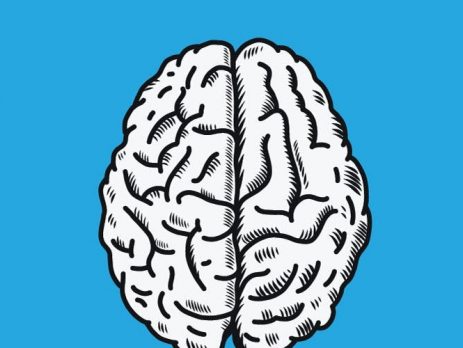
Left Side Brain Damage: What to Expect During the Recovery Process
Left side brain damage can lead to difficulties with language and reasoning skills, among other secondary effects. Understanding the potential effects of left hemisphere brain damage can help you quickly identify complications and seek early management interventions for them. Functions of the Left Hemisphere To understand what to expect following left hemisphere brain damage, it helps to understand how the brain works. The brain acts as the control center for the entire body and is responsible for both physical and cognitive functions. It consists of two hemispheres (left and right), each of which governs movement on the opposite side of the body....