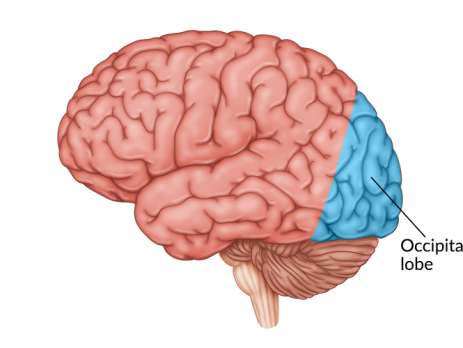
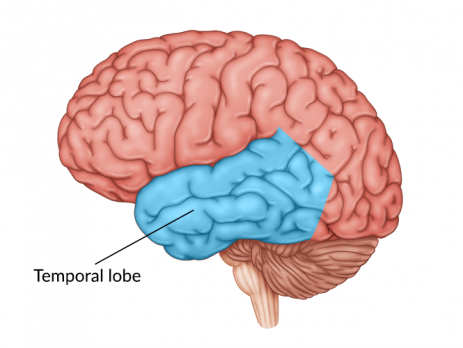
Temporal Lobe Damage: Understanding the Effects, Treatments, & Recovery Process
When temporal lobe damage occurs, it can create unique secondary effects. The temporal lobe controls many functions including emotions, sensory processing, and memory. When the temporal lobe is impacted by a traumatic brain injury, it can impair these functions and significantly affect how individuals interact with their surroundings. Functions Affected by Temporal Lobe Damage Each area of the brain controls different functions and no two brain injuries are exactly alike. Therefore, depending on the severity and location of damage to the temporal lobe, individuals can experience a variety of cognitive impairments. The temporal lobes play a role in many essential functions, including: Processing sensory information (mainly...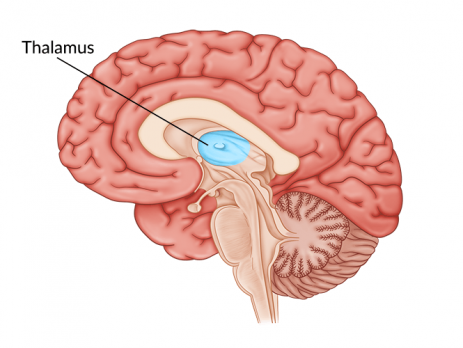
Damage to the Thalamus: Understanding the Side Effects and Recovery Process
When a brain injury affects the thalamus, it can lead to sensory and/or cognitive side effects. This article will share symptoms and treatment to help you understand the ways in which thalamus damage can affect your everyday life. As with all types of TBI, it’s important to work closely with your medical team during recovery. What is the Thalamus? Most neurologists refer to the thalamus as the brain’s relay station. That’s because almost all sensory information must pass through it before moving on to the cerebral cortex. These sensory signals travel up the spinal cord and into the thalamus, which lies just above the brainstem. The thalamus...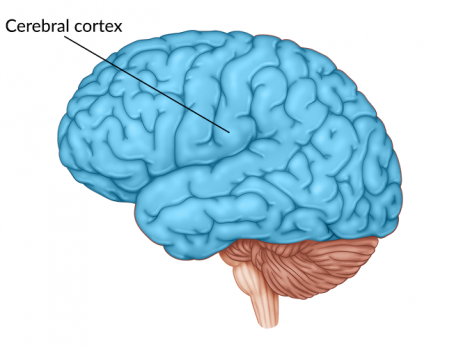
Cerebral Cortex Damage: Definition, Symptoms, and Recovery
Cerebral cortex damage can cause serious problems, depending on the location of the injury. Because the cerebral cortex includes almost every lobe within the brain, damage to the cerebral cortex can lead to multiple issues, including problems with: Cognition Sensation Movement Behavior Today you will learn more about cerebral cortex damage and how it can be treated. What is the Cerebral Cortex? The cerebral cortex acts as the outer layer of tissue that covers the cerebrum (the uppermost part of the brain, above the cerebellum). The cerebral cortex is around 5 millimeters thick and contains nearly 70% of the brain’s 100 billion neurons. It is covered by the meninges and is...