

Paralysis Treatment: How to Recover Movement After Neurological Injury
Paralysis involves a loss of motor function in the body due to neurological injury. It can affect any number of limbs and manifests differently for everyone. As a result, paralysis treatment works differently for everyone because every neurological injury is unique. To understand how paralysis treatment works, it helps to have a basic knowledge of the many types of paralysis and the secondary complications that may occur. This guide will explain everything. Causes of Paralysis Paralysis is caused by an injury to the nervous system that can happen during a neurological event such as a stroke or spinal cord injury. When the nervous...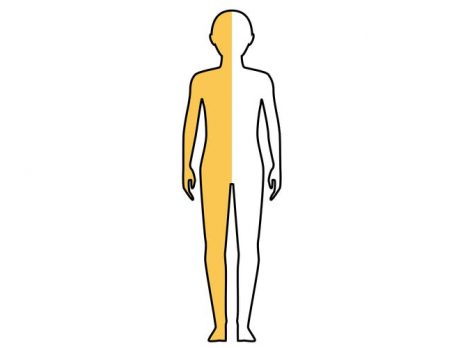
Left Hemiplegia: Causes, Recovery Outlook, and Treatment
Left hemiplegia describes paralysis of the left side of the body due to neurological damage such as a stroke or traumatic brain injury. Luckily, many individuals with left hemiplegia have the potential to regain mobility on their affected side and improve their overall quality of life. While hemiplegia can affect either side of the body, this article will specifically address hemiplegia on the left side. Causes of Left Hemiplegia Left hemiplegia is caused by damage to the nervous system. While it is most common following damage to the brain (such as a stroke or traumatic brain injury), it may also occur following damage...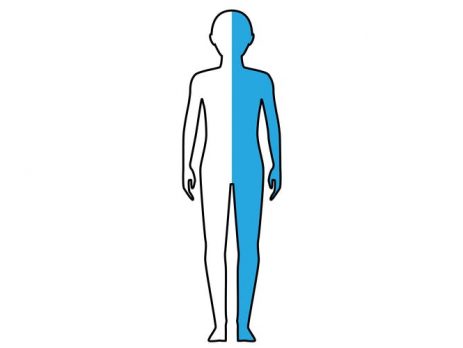
Right Hemiplegia: Causes, Recovery Outlook, and Treatment
Right hemiplegia refers to paralysis of the right side of the body after damage to the brain or spinal cord. Fortunately, there are rehabilitation methods that can help you regain movement on the right side. While hemiplegia can affect either side of the body, this article will specifically focus on right-sided hemiplegia. Causes of Right Hemiplegia Although right hemiplegia affects the muscles on the right side of the body, the underlying cause is damage to the nervous system. Most commonly, it occurs when the parts of the brain that control movement such as the motor cortex become damaged. Common causes of right hemiplegia include neurological...