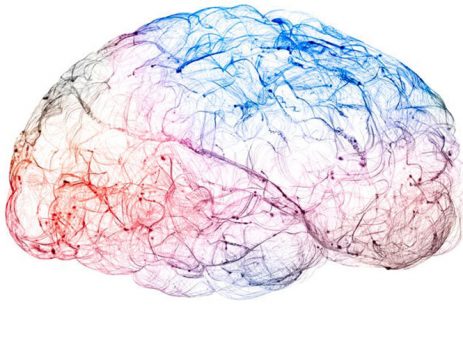

The Best Physical Therapy Tools: Recommendations from the Experts
Physical therapy equipment is used to promote recovery, improve mobility, increase strength, and maintain overall health. While attending one or multiple physical therapy sessions a week is beneficial, it may not be enough to help you reach your goals. Therefore, it may be helpful to have your own physical therapy tools that you can use at home to reinforce or supplement what you are doing in rehab. Finding the proper physical therapy equipment can be challenging and time-consuming, especially when the options are virtually endless. To help you find the right equipment for your needs, we’ve gathered some of the most...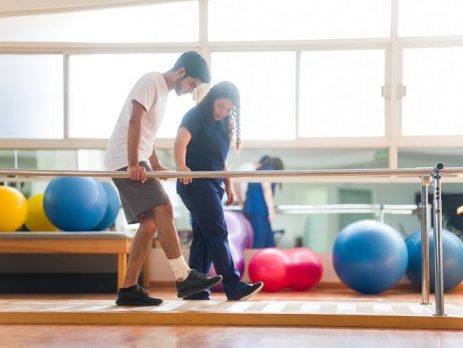
Ataxia: Understanding the Causes, Symptoms, and Treatment
Ataxia is a condition that describes impaired balance or coordination. It can be caused by a variety of conditions including traumatic brain injury, cerebral palsy, and stroke. Survivors with ataxia may have difficulty walking or struggle with fine motor coordination, speech, and/or swallowing. Treatment for ataxia varies depending on the part(s) of the body affected, severity and underlying cause. What Is Ataxia? Ataxia is an umbrella term for a group of disorders/neurological diseases that affect coordination, speech, and balance. It typically results from damage to the areas of the brain that control muscle coordination, such as the cerebellum. Individuals with ataxia typically lose...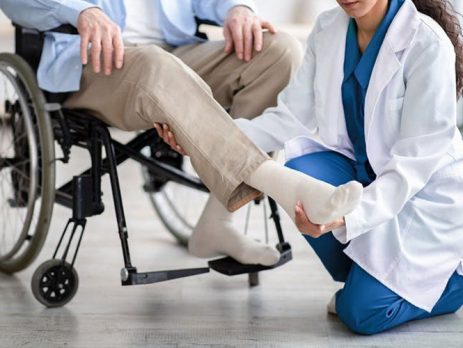
Spastic vs Flaccid Paralysis: Understanding Loss of Muscle Function & How to Treat It
Paralysis refers to the complete or partial loss of muscle function. A neurological injury such as stroke or spinal cord injury can cause different types of paralysis, including spastic paralysis (caused by increased muscle tone) and flaccid paralysis (caused by reduced muscle tone). Knowing how to distinguish between spastic vs flaccid paralysis is important in order to receive proper treatment and maximize the chances of recovery. This article will differentiate spastic vs flaccid paralysis and discuss the best methods to promote movement in the affected muscles. How Does the Nervous System Control Muscle Movement? To understand the difference between spastic vs flaccid paralysis, it...