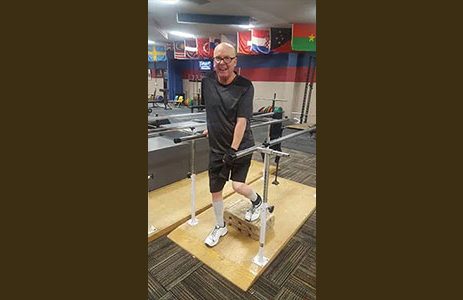
Thank you Saebo. I love your motto: “No Plateau in Sight.”
I was 15 years old when I experienced a stroke on July 24th, 1975. Relearning how to do simple things or things I had taken for granted was hard. I learned how to ride a bike again, at age 16, by strapping my right foot into the pedal and moving everything I needed to operate the bike over to the left side of the handlebar. After many attempts and many bruises, riding my bike is now a great pastime. My way of dealing with what happened to me has been to overcompensate with the left side of my body; I...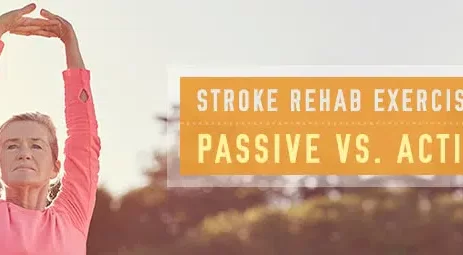
Stroke Rehab Exercises: Passive Vs. Active
After a stroke is over, its survivor is not in the clear. A stroke leads to neurological damage that affects the motor system, making limbs weak and limiting movements. It can also affect sensory input to the brain, which can impair speech, vision, touch, and more. Fortunately, stroke survivors can regain movement and prevent further complications through both passive and active rehabilitation exercises. Each type of exercise serves different and important purposes for stroke patients. What Are Passive Exercises? Passive exercises are called as such because the muscles are moved by an outside force, either a machine, another body part, or another person. Also known...
Recovering From a Massive Stroke
Since strokes are the fifth leading cause of death in the U.S., everybody should be able to recognize them. A stroke happens when blood flow to part of the brain is cut off and oxygen can’t reach it. When this happens, there are devastating consequences to brain cells that control certain parts of the body. Strokes can be either minor or massive, but understanding the severity of a stroke will offer insight into how both kinds can be treated. The ability to recover from any stroke depends on how long it lasts and how quickly a sufferer gets medical attention. In...