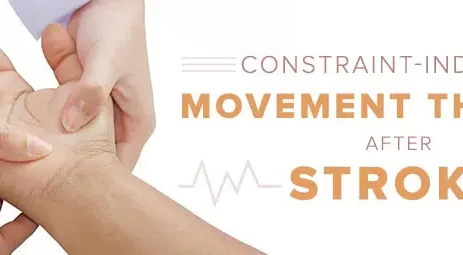
Constraint-Induced Movement Therapy After Stroke
When a stroke causes a person to lose the use of one of their limbs, they can easily get frustrated, stop trying to use it at all, and start relying solely on the unaffected limb. This is called learned non-use; it means that the stroke survivor has learned to stop using an affected limb because of its lack of response. Learned non-use makes it even more difficult for the patient to recover movement and function. This is why many physical therapists and occupational therapists use a technique called constraint-induced movement therapy (or CIMT) to help their patients recover as much movement...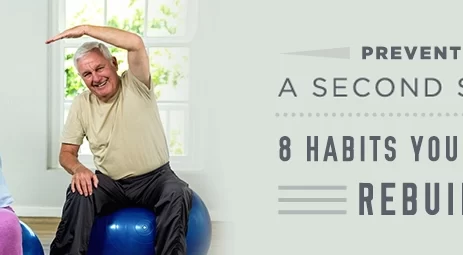
Preventing a Second Stroke: 8 Habits You Need to Rebuild
Strokes can come with little to no warning, but quite frequently, they reveal issues that had been building up for some time. And when those problems clearly present themselves, patients and caregivers can move ahead armed with the latest research and medical advice for preventing a relapse. Now that researchers are understanding the high rates of a second stroke—nearly one in 12 people—they are focusing their attention on lifestyle changes and steady habits that set the body on a healthier track. Unfortunately, the chance of further complications and even death are far more likely after a stroke. Therefore, mapping out a steady...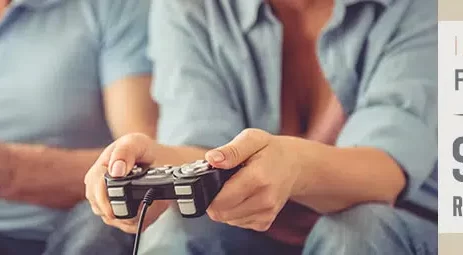
How Fun Activities Help Stroke Rehabilitation
There are a number of ties between physical activity and reduced risk for stroke. Studies have shown that individuals who remain physically active as they get older are between 25 and 30 percent less likely to experience a stroke. Physical activity also plays a huge role in the lives of individuals who do end up experiencing one as it helps in the recovery process. Exercise after a stroke is a vital factor in regaining function, so finding and participating in exercises that are fun, rather than tedious or boring, can make a big difference during rehab and recovery. It can be difficult to...