
The Benefits of Gait Training During Stroke Recovery
In the challenging months following a stroke, the first line of defense against further illness or injury is a strong rehabilitation plan. Long-term stroke recuperation is quite common—up to 90 percent of stroke patients develop some form of ongoing symptoms. And since strokes often trigger a range of mobility impairments, full independence can be significantly delayed. But if mobility constraints are properly treated, the effects will have a significant impact on a patient’s quality of life, cardiovascular health, and the probability of early diagnosis of ongoing issues. Gait training, or the process of analyzing and reorienting a patient’s walking abilities, continues...
How to Start a Stroke Support Group
Mental health professionals know that support groups are an effective way to cope with the stresses, changes, and challenges of going through major life events, like a stroke. Support groups provide a space where you can talk freely about your challenges and issues without being judged. Sharing with others facing the same situation can give you a sense of empowerment and control, and in turn can reduce stress and depression. Not everyone copes with stroke events the same way. A support group is a great way to get to know other survivors and to learn how different people deal with their situation. The open,...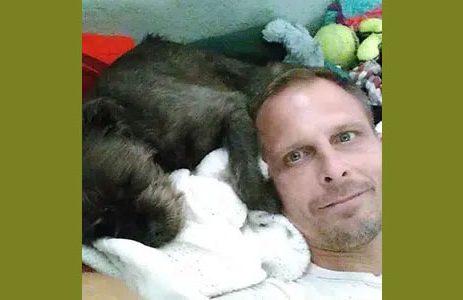
I am very pleased with the results that I have gotten in such a short period of time
I am 43 years old and was recently the victim of a severe stabbing. My forearm was cut all the way to the bone, severing two of the three major nerves in my arm. If it hadn’t been for the kindness of a stranger, I would have bled to death. In the first five days after the stabbing, my doctors performed three surgeries on my arm. Afterward, I was left with almost no feeling in my hand and very little functionality in my forearm or hand. My fingers had curled up into a fist, or what my doctors called a...