
Pain After a Stroke: Symptoms to Watch Out For
Stroke survivors can experience tragic results after their attacks in the form of many different types of physical pain. Conditions such as paralysis, frailty, and changes in sensation are some of the most common ailments. It is normal for stroke survivors to feel weakness on one side of the body, which can lead to spasticity and excruciating pain in muscles and joints, particularly in the shoulders. Headaches and sore, swollen hands are also common after effects of a stroke, usually referred to as central post-stroke pain (CPSP). With so many agonizing conditions caused by stroke, the best treatment is to be sensitive...
The Rising Cost of Stroke in America
Strokes are the leading cause of disability in the United States and the fifth leading cause of death. Nearly 800,000 people will have a first-time or recurrent stroke every year. Clearly, strokes are a huge health problem in the U.S., but they are a big financial problem as well. In 2010, strokes cost the U.S. $71.55 billion to treat. By 2030, the costs of stroke are expected to double to $183.13 billion. By 2050, the financial impact of strokes in the U.S. could soar to more than $2.2 trillion. With the number of strokes in the U.S. so high, these costs might seem unavoidable. But up...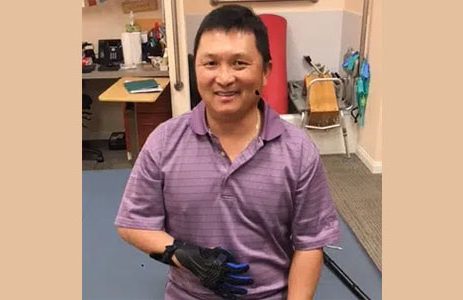
The SaeboGlove gave him back hope, purpose and a return to life.
On Mar 22, 2014 at 42 years of age, Pao experienced a sudden onset of right-sided weakness and loss of ability to speak intelligibly. A CT scan confirmed he had a brain hemorrhage. At that time, Pao had a wife, 6 children, and a full-time job managing a department. He loved to tinker, build and could fix anything around the house. In a moment, he lost the ability to fulfill any of his prior roles. After an extensive inpatient rehab stay, in August, an OT in my clinic evaluated him. The evaluation indicated that he had virtually no strength in his...