
Neuroelectrics announces positive results for treatment of medication-Resistant epilepsy using Starstim™
At the recent American Epilepsy Society Annual Meeting in New Orleans, Neuroelectrics Corporation presented positive results from its clinical trial treating patients with drug resistant epilepsy with Starstim a device that uses mild electric currents applied on the scalp to calm abnormal activity of the brain. Of the seventeen patients that completed the study, treatment with Neuroelectrics’ Starstim device resulted in a reduction in seizure frequency of at least 40% from baseline in 75% of the patients, measured eight weeks after treatment. Also, no device-related adverse events were reported during the study. Neuroelectrics sponsored the FDA-approved investigational device study of its Starstim product (NCT02866240) at Boston Children’s Hospital, with adult...
Signs of Healing Foot Drop: What to Look for During the Recovery Process
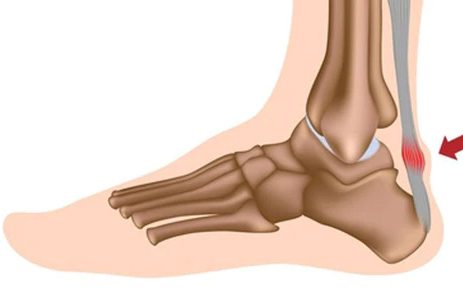
The inability to lift the front portion of the foot, known as foot drop, can be caused by a variety of factors including a neurological injury like stroke or TBI. Fortunately, foot drop can be improved with a proper rehabilitation plan and a combination of other treatments. While the recovery process can be challenging, it helps to watch for foot drop recovery signs to keep yourself motivated to continue working hard during the rehabilitation process. This article will discuss some of the most common signs of healing foot drop as well as ways to help boost recovery. Causes of Foot Drop To understand the...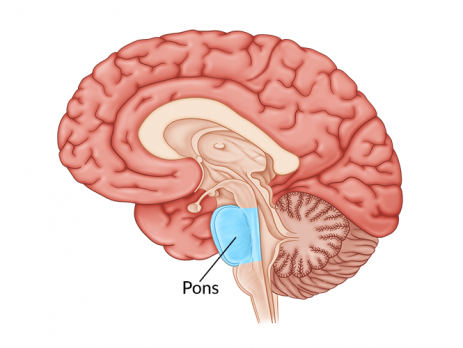
Understanding Pontine Stroke: Looking at the Symptoms, Effects, & Recovery Process
The pons is the largest component of the brain stem. When blood flow to the pons becomes interrupted, it causes a pontine stroke or pons stroke. When the disruption is caused by a blood clot in particular, it’s referred to as a pontine infarction or pontine infarct. As signals responsible for the body’s motor control flow through the pons, a common effect of a pontine stroke is hemiparesis, or weakness on one side of the body. In severe cases, a pontine stroke can result in a rare condition called locked-in syndrome where the entire body except for the eyes become paralyzed. Fortunately, when a stroke...