Blog
BLOG
Stroke Recovery Advice With Occupational Therapist Mandy Chamberlain
We had a chance to connect with Occupational Therapist Mandy Chamberlain to get her helpful and inspiring stroke recovery advice and patient stories. Stroke Recovery Advice With Mandy Chamberlain seniorsflourish.com Beginning a Career in Occupational Therapy How did you get your start as an OT? I was first exposed to Occupational Therapy after my “Gramps” had a stroke. When I was a teenager, he lived on my family’s property and we helped take care of him with cooking, cleaning, driving and medication management instead of him going into assisted living. He had a massive CVA while living with us and had to go into a...
Stroke Caregiver Tips from Occupational Therapists
Caregivers are the unsung heroes of stroke recovery. After a stroke, family and relationship dynamics can change dramatically. Trying to care for someone that isn’t able to do or say things like they used to can take awhile to get used to and the recovery process can sometimes be slow. Sometimes you can even care so much for your loved one, you forget to care about yourself. Having support and advice from people that have been there can really help new or even seasoned caregivers. We interviewed some of the best occupational therapists on the internet for their top tips to...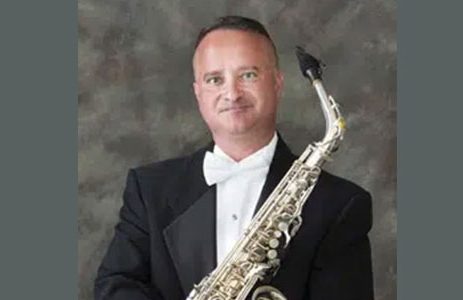
“As both a university music teacher and a Master Sergeant in the Air National Guard, I recognize the functionality of the SaeboGlove”
Dr. Christopher Walker has performed as a soloist in eleven countries, spanning three continents, and has shared the stage with such great performers as Frederick Fennell, Eugene Rousseau, and The United States Air Force Academy Band. He has performed for the Vice President of the United States. In military bands, Master Sergeant Walker has served as a saxophone, flute, and clarinet soloist, conductor, and musical group leader. Recently, Dr. Walker performed a tour of Norway in honor of the 200th anniversary of the Norwegian constitution, giving performances and presenting guest lectures. Dr. Walker serves on the faculties of Georgia Southwestern State University...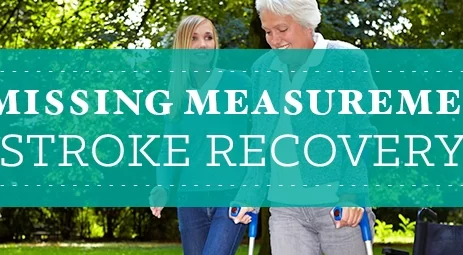
The Missing Measurement In Stroke Recovery
Measuring progress towards stroke recovery is essential. Progress can be slow and difficult to see unless it is specifically measured. By not measuring progress, survivors can appear to to plateauing, rather than showing the small progress that they are actually accomplishing. Survivors and caregivers want the best treatment based on benefits compared to risk and cost. Evidence-based practice demands valid outcome measurement to prove cost effectiveness. The Missing Measurement In Stroke Recovery After a stroke, taking measurements often is essential. Often the notion that a survivor has plateaued is less truth and more an artifact of a lack of measurement. Stroke recovery often doesn’t...