Blog
BLOG
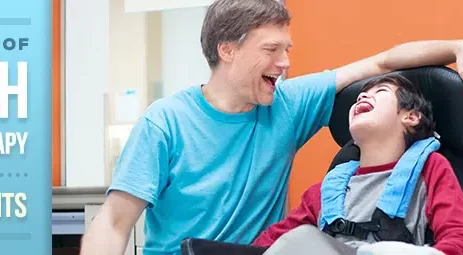
The Benefits of Speech Language Therapy for Stroke Patients
A stroke is one of the most catastrophic experiences an individual can undergo. Strokes often cause temporary or permanent paralysis on one side of the body. Balance, memory, speech, cognition, and vision may also be affected. In addition, muscle spasms and pain are common complications of a stroke. Because of these issues, stroke survivors may have difficulty managing basic tasks such as bathing and dressing. Consequently, it may be challenging for them to continue to manage their roles as spouses, parents, or employees. One of the most serious complications of stroke is difficulty communicating, with many stroke patients experiencing a decrease...
How Neurorehabilitation Helps With Stroke Recovery
Victims of a stroke, especially those with substantial brain damage, may see both their lives and those of their families change drastically post stroke. The sufferer has to adapt to life without certain capabilities and settle into a different way of living than what they were used to, which has social consequences. However, improvements in brain activity through neurorehabilitation in occupational therapy, physical therapy, and the like, have proven promising in recovering these abilities. With successful neurorehabilitation, patients have hope to reclaim both their movement and their previous quality of life. What is Neurorehabilitation? Neurorehabilitation utilizes the help of occupational therapy and physical therapy...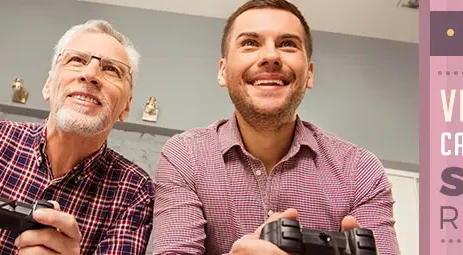
Game On: How Video Games Can Assist With Stroke Recovery
Stroke patients often face an unfortunate reality—80 percent of them will not regain full use of their arm and hand movements. Strokes are one of the most common causes of physical disability, and many stroke survivors suffer continued effects from impairment, like an inability to return to work and having limited independence. Early, intensive rehabilitation offers the best outcome, but only one-third of patients discharged after immediate medical treatment will continue the recommended therapy at home. In addition, for chronic patients who have received six or more months of rehabilitation and still experience limited function, it is often difficult to maintain sufficient...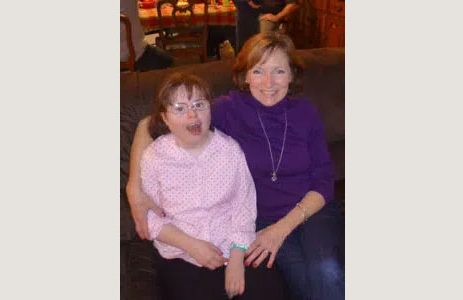
The excitement of being able to do something with her hand independently after fifteen years is so huge for Kathleen and for me.
My daughter Kathleen was born with Down syndrome. At five years old, she was diagnosed with a very rare neurovascular disease called Moyamoya that caused a series of strokes. After the strokes, Kathleen spent a month in a rehabilitation hospital; she regained her language and ability to walk over the course of the next year, but not her ability to use her left hand. A year later her physical therapist told us not to expect any additional improvements in her ability to use the left hand. Kathleen is now nineteen years old and still had not regained any hand function, until recently...