Blog
BLOG
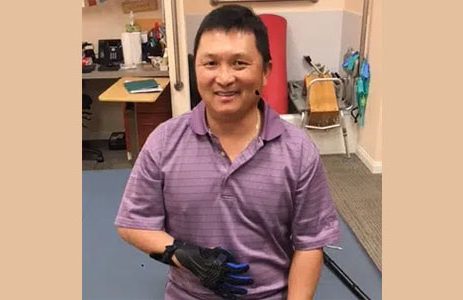
The SaeboGlove gave him back hope, purpose and a return to life.
On Mar 22, 2014 at 42 years of age, Pao experienced a sudden onset of right-sided weakness and loss of ability to speak intelligibly. A CT scan confirmed he had a brain hemorrhage. At that time, Pao had a wife, 6 children, and a full-time job managing a department. He loved to tinker, build and could fix anything around the house. In a moment, he lost the ability to fulfill any of his prior roles. After an extensive inpatient rehab stay, in August, an OT in my clinic evaluated him. The evaluation indicated that he had virtually no strength in his...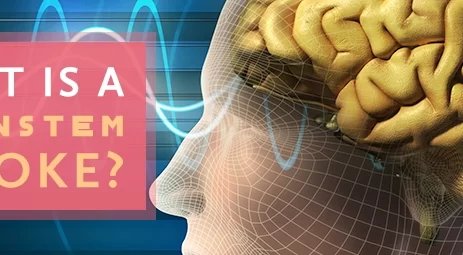
What is a Brainstem Stroke?
A brainstem stroke can cause impairments in vital body functions, like breathing, heartbeat, swallowing, and speech, due to a blockage of blood between the brainstem and the brain. The effects can be catastrophic to a stroke patient and prove difficult to recover from. Fortunately, fast treatment and beginning of the recovery process as soon as possible can make a significant difference in the well-being of a patient after a brainstem stroke. It’s important that you learn why a brainstem stroke occurs, how it’s diagnosed and treated, and what the proper after-stroke recovery is. What is a Brainstem Stroke, Pons Stroke, or Brainstem...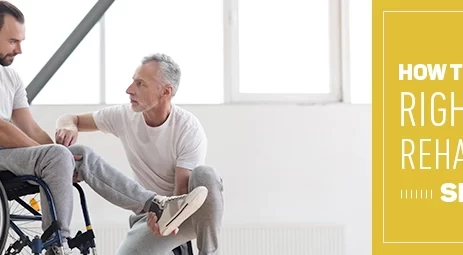
How to Choose the Right Stroke Rehabilitation Services
Every year, more than 795,000 people in the United States have a stroke. Only 10 percent of those people will recover completely, leaving 25 percent with minor impairments and another 40 percent with moderate to severe impairments that require special care. Rehabilitation is one of the most important components of post-stroke care, and yet it leaves much to be desired. Although studies have shown the effectiveness of post-stroke rehabilitation, there remains a serious gap between stroke survivors being discharged from the hospital and transitioned to a physical recovery program. Rehabilitation should start in the hospital as soon as possible after the stroke and be continued...
The Benefits of Gait Training During Stroke Recovery
In the challenging months following a stroke, the first line of defense against further illness or injury is a strong rehabilitation plan. Long-term stroke recuperation is quite common—up to 90 percent of stroke patients develop some form of ongoing symptoms. And since strokes often trigger a range of mobility impairments, full independence can be significantly delayed. But if mobility constraints are properly treated, the effects will have a significant impact on a patient’s quality of life, cardiovascular health, and the probability of early diagnosis of ongoing issues. Gait training, or the process of analyzing and reorienting a patient’s walking abilities, continues...