Blog
BLOG

Stroke in Children: What You Need to Know
A stroke can happen to anyone. Essentially, it is an attack in the brain. When it happens, blood flow to a certain part of the brain is suspended, cutting parts of it off from oxygen and quickly killing brain cells. It is a common misconception that only older adults can suffer from stroke, but the truth is that it can happen at any time to a person of any age. Knowing how devastating this affliction can be, it is crucial to understand that teenagers, children, and infants are not excluded. A child’s greatest chances of having a stroke are during the first year...
Managing MS Related Foot Drop
Being diagnosed with Multiple Sclerosis (MS) is a tremendous battle for anyone to face. MS is a chronic disease that damages nerves in the brain and spinal cord, and that destruction can cause a slew of other impairments, including something called foot drop. Sometimes referred to as “drop foot,” foot drop represents a fundamental issue with a person’s neurological, muscular, or anatomical structure. You may notice that someone suffering from the condition may have a hard time lifting the front part of their foot, or they may even drag their foot against the ground when walking. To compensate for their lack of...
How Music Therapy Can Benefit Stroke Survivors
We depend so much on language that we sometimes take it for granted. But how would we express ourselves if our ability to use it were impaired or lost? After a stroke, about 25–40 percent of survivors experience aphasia, a disorder that impairs an individual’s ability to process language. It can limit their capacities to speak, read, or write. While aphasia may limit a stroke survivor’s language skills, many people are finding a new way to communicate: singing. The idea of someone with aphasia being able to sing is not new. It was first reported in 1736 by Swedish physician Olaf Dalin, who...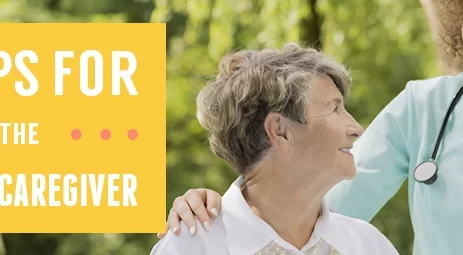
6 Tips for the Stroke Caregiver
After a loved one has a stroke, many people today are choosing to take on the role of their caregiver rather than hiring someone else to do it. In fact, in the U.S. more than 50 million people are providing care for a loved one with a disability or illness. While many family caregivers find the experience positive and appreciate being able to help, it is still a huge challenge that comes with many new responsibilities. When your life becomes centered around caring for another person, it can be easy to forget to take care of yourself. However, there is no need for...