
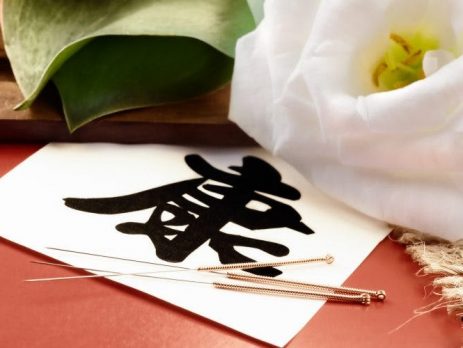
Acupuncture for Brain Injury: Understanding the Benefits and Risks
Acupuncture is a traditional Chinese practice is primarily used to treat chronic pain. However, it can also relieve the anxiety, depression, and insomnia that often affect patients after a traumatic brain injury (TBI). This makes acupuncture a possibly beneficial practice for brain injury survivors. This article will explain how acupuncture for brain injury recovery works, and how it compares to more conventional treatments. This information can hopefully help you decide whether acupuncture will be worth trying for you. What Is Acupuncture? Acupuncture originated in China over 2,000 years ago. It involves placing thin needles into the skin at certain points in the body....
15 Outstanding Balance Exercises for Brain Injury Patients (With Videos)
Balance exercises for brain injury patients are a great way to help you prevent falls and maintain your independence. In this article, we’ll share some of the best balance exercises for brain injury patients, starting with the easiest exercises and working our way up to more advanced activities. Beginner Balance Exercises for Brain Injury Patients During TBI rehabilitation, therapists recommend that patients engage in exercises that are challenging but not frustrating. Therefore, it is important to find balance exercises that fit your skill level. The following are some beginner balance exercises you can do after brain injury. If these do not challenge you, feel...
Weight Lifting After Brain Injury: Important Safety & Timeline Considerations
Weight lifting can be safely practiced after brain injury, with the right precautions. However, it is important to allow your brain some time to heal before heading back to the gym. In this article, we will answer some of the most common questions about weight lifting after brain injury. We’ll also look at some of the risks and benefits associated with it. Is Weight Lifting After Brain Injury Safe? In most cases, yes. In fact, exercise – including weight lifting – has many benefits for recovery. Moderate strength training and exercise can improve muscular function, increase blood flow to your brain, and stimulate neuroplastic changes. All of these benefits encourage...