Use it or Lose it: The Importance of Cortical Plasticity in Stroke Rehabilitation
Those who have survived a stroke may experience neurological damage that leads to deficiencies in their sensory and motor systems, such as limited use in their hands and/or arms. This damage also affects the sensory communication to the brain and impairs the ability to touch, feel, or be aware of joint movement. The combination of motor and sensory impairments significantly impacts stroke patients’ capacity to perform daily activities. The Motor Cortex Located in the frontal lobe of the brain is the area known as the motor cortex. There are three areas that comprise this important part of the cerebellum: the primary motor cortex,...
Traditional & Innovative Treatments For Strokes
Medical treatments save lives. Stroke victims who seek immediate treatment have the best chance to survive and eventually recover. But non-fatal strokes often have long-term debilitating consequences. Patients may require extensive therapy from skilled occupational therapists to reclaim their ability to speak, be mobile, and simply function in their daily lives. As medicine evolves, innovative new treatments may prevent long-term stroke damage for many patients. Some new treatments work in coordination with existing medical treatments to make full recovery more likely. With these and traditional options, occupational therapists can have more favorable outcomes as they aid in stroke patients’ recoveries. A Look...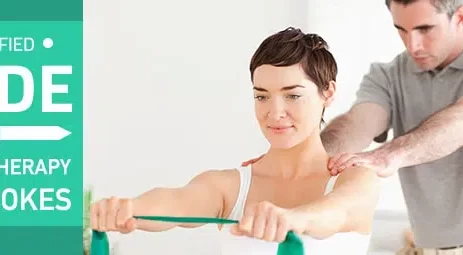
A Simplified Guide To Physical Therapy For Stroke Patients
Having a stroke breaks vital connections between your brain and your muscles, which is why it is the leading cause of long-term disability and almost always results in some loss of mobility and movement. However, this loss isn’t necessarily permanent. In fact, rehabilitation is especially crucial during the early stages of recovery, when patients have little to no control over their affected muscles. No matter where you are in your journey toward recovery, your long-term progress will depend on a consistent physical therapy regimen. Learn why physical therapy for strokes is so helpful for stroke survivors, and what to look for as you...