
What to Eat When Recovering From a Stroke
It’s no secret that Americans struggle with proper nutrition and healthy living on a daily basis. According to the the World Health Organization, it is estimated that over 80 percent of diagnoses of heart disease, stroke, and type II diabetes, along with nearly 40 percent of cancer diagnoses, could be prevented by people improving their eating and exercise habits and reducing their dependence on tobacco products. Adjusting the way you live in order to stay healthy is important, though not everybody is willing or able to. According to a study published in the Journal of the American Medical Association, while women are more likely...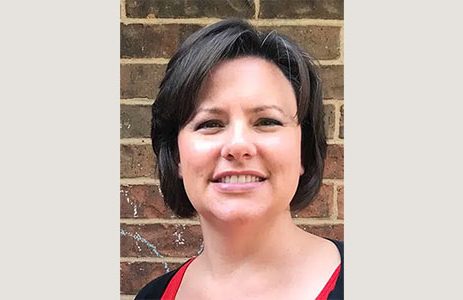
With the SaeboMAS, I show my patients that they can do the work, and then just watch them progress
I am an occupational therapist who works with patients recovering from stroke and traumatic brain injury, and the SaeboMAS (mobile arm support) is a very important asset to me. Patients frequently come to me with limited ability to move their arm and/or shoulder, saying “I can’t do this” or “I can’t move my arm at all.” They often have felt like they have made little to no progress since the time of their injury. Then I set them up with the SaeboMAS to aid in unweighting their arm, and they see, almost immediately, that they can move their arm. This is a huge emotional boost...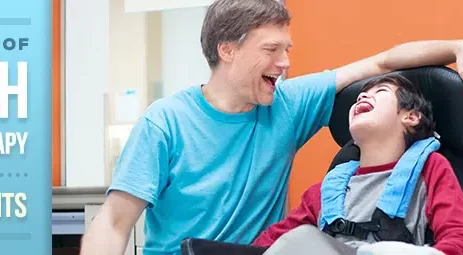
The Benefits of Speech Language Therapy for Stroke Patients
A stroke is one of the most catastrophic experiences an individual can undergo. Strokes often cause temporary or permanent paralysis on one side of the body. Balance, memory, speech, cognition, and vision may also be affected. In addition, muscle spasms and pain are common complications of a stroke. Because of these issues, stroke survivors may have difficulty managing basic tasks such as bathing and dressing. Consequently, it may be challenging for them to continue to manage their roles as spouses, parents, or employees. One of the most serious complications of stroke is difficulty communicating, with many stroke patients experiencing a decrease...