The Relationship Between Seizures and Strokes
Strokes can damage the brain in many ways, and these negative effects take different forms depending on the person and their stroke. But in general, strokes can influence emotions, mobility, verbal communication, behavior, and memory. One problem caused by stroke that’s harder to notice is the increased risk of seizures. Seizures are actually more common after stroke than you might have guessed. Statistics show that seizures afflict 22 percent of people who suffer from strokes. They are important to watch out for as they indicate malfunctions in brain activity and cause an altered state of awareness for a stretch of time. The information below gives you...
Spastic Quadriplegia: Causes, Effects, Treatment, & Management Tips
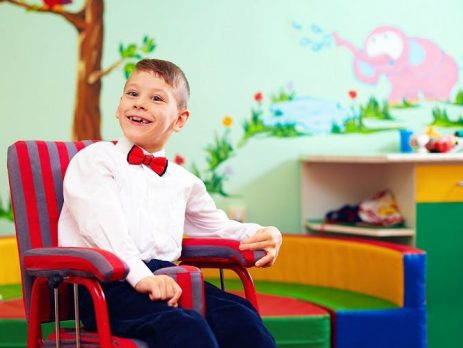
Spastic quadriplegia is a type of cerebral palsy characterized by high muscle tone (spasticity) that affects the entire body. This may include the muscles of the mouth, which can affect an individual’s ability to speak, chew, and swallow. Generally, individuals with spastic quadriplegia experience equal or greater motor impairments in their upper body than their lower body. Causes of Spastic Quadriplegia As with all forms of cerebral palsy, spastic quadriplegia is the result of damage to the developing brain before, during, or shortly after birth. Spastic quadriplegia results from damage to the motor cortex, the region of the brain primarily responsible for controlling voluntary movements. Because...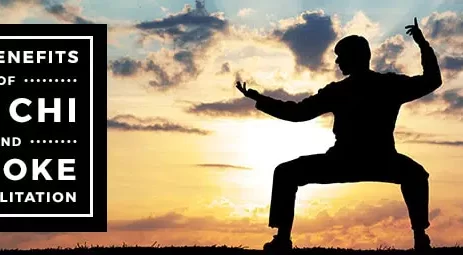
The Benefits of Tai Chi and Stroke Rehabilitation
A stroke survivor has the potential to experience traumatic damage throughout their body. Making matters even worse, the process of recovery for an individual can feel like an uphill battle with limited options and overwhelming rehabilitation programs. Along with healing the body, one of the most important things to consider is how well a survivor can adjust to their new lifestyle. Of course, one’s life may never be exactly the same as before, but a feeling of regularity can be achieved with a positive outlook and an open mind. Doing tai chi is one way to help the healing process. According to...