


Dyskinetic Cerebral Palsy: Causes, Signs, Symptoms, & Management Techniques
About 15% of cerebral palsy cases result in dyskinetic CP, which is a motor disorder characterized by uncontrollable movements. As with all types of cerebral palsy, every person is affected differently. For instance, one individual with dyskinetic CP may struggle with inward-facing feet while another individual may experience poor posture due to involuntary fluctuations in muscle tone. The effects vary greatly, which makes it essential to work closely with a therapist for individualized rehabilitation. Causes of Dyskinetic Cerebral Palsy Dyskinetic cerebral palsy is caused by damage to the basal ganglia or thalamus before, during, or shortly after birth. Damage to these areas of the brain often causes abnormal muscle tone...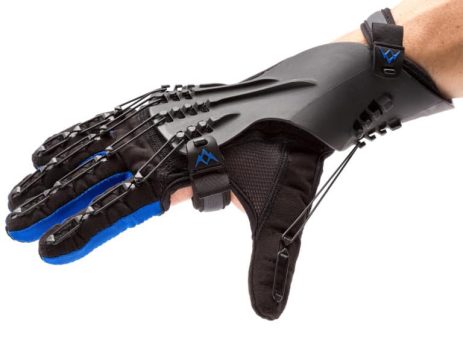
Which Saebo Hand Rehabilitation Device is Right For You?
In 2001, two occupational therapists had one goal: to provide neurological clients access to transformative and life-changing products for improving arm and hand function. Frustrated with the current devices on the market that were limited, expensive, and inaccessible for home use, the founders were inspired to create new, revolutionary solutions. What started as a dream has now become Saebo, a global provider of affordable rehabilitative products designed to improve mobility and function in individuals suffering from neurological and orthopedic conditions. With a vast network of Saebo-trained clinicians spanning six continents, Saebo has helped over 200,000 clients around the globe achieve a...
Spastic Cerebral Palsy: Causes, Symptoms, and Management
Spastic cerebral palsy (CP) is the most common type of cerebral palsy, making up about 80% of all cases. Despite being so prevalent, each individual experiences this type of CP differently and will benefit most from a personalized approach to management. Causes of Spastic Cerebral Palsy As with all forms of cerebral palsy, spastic cerebral palsy is caused by damage to the developing brain before, during, or shortly after birth. Specifically, it’s caused by damage to the motor cortex, which is the part of the brain primarily responsible for controlling voluntary movement. Common causes of spastic CP include: Premature birth Infection Lack of oxygen in the brain Stroke Genetic factors Head...