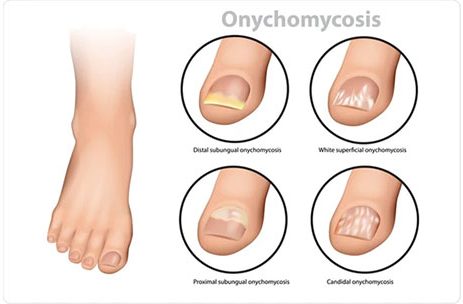
Onychomycosis
Onychomycosis is a fungal infection of the nail. It is the most common disease infecting the nail being responsible for about half of all nail abnormalities. WHAT CAUSES ONYCHOMYCOSIS? Fungal nails and Onychomycosis are most commonly caused by fungus that is caught from moist, wet areas like gym showers and swimming pools. Wearing tight fitting, sweaty shoes have been proven to make the wearer more susceptible to the fungus. Elderly people and people with impaired immune systems or underlying diseases are at higher risk for fungal infections of the nail. HOW DO I KNOW IF I HAVE ONYCHOMYCOSIS? WHAT ARE THE SYMPTOMS OF ONYCHOMYCOSIS? Starts...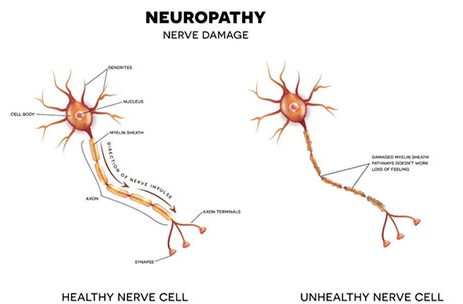
Peripheral Neuropathy
Peripheral Neuropathy is a condition where a person's peripheral nerves have been damaged. These nerves carry information from the brain to the arms and legs. Often a person suffering from Peripheral Neuropathy will lose sensation in his or her toes and feet making it difficult to tell if he or she has stepped on something sharp or injured the foot. Patient's may also experience "burning" pain. WHAT CAUSES PERIPHERAL NEUROPATHY? Peripheral Neuropathy is usually caused by: Genetics Diabetes Trauma to the foot or leg Vitamin B deficiencies An underactive thyroid Idiopathic (meaning no cause is found) HOW DO I KNOW IF I HAVE PERIPHERAL NEUROPATHY? WHAT ARE THE SYMPTOMS OF...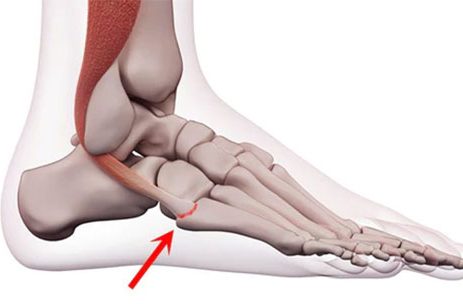
Peroneal Tendonitis / Tear
Peroneal Tendons run behind your outer ankle bone and link the bones in your foot's arch to your lower leg muscles. They help you balance by stabilizing your arch when you walk and allow you to move your ankle. Peroneal Tendonitis occurs when your Peroneal Tendons are injured, stretched out, or become loose when you sprain or roll your ankle. A Peroneal Tear occurs when the tendon breaks or rips from an injury. PERONEAL TENDONITIS INFORMATION AND TREATMENT WHAT CAUSES PERONEAL TENDONITIS / TEAR? The tearing of your Peroneal Tendon can happen over time, especially if you're prone to ANKLE SPRAINS. The Ankle...