Haglund’s Deformity
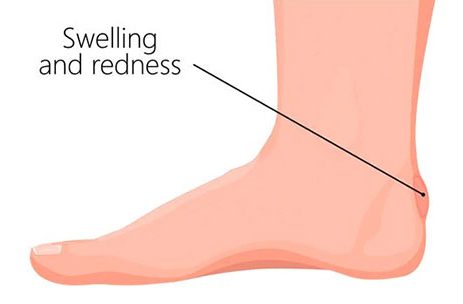
Haglund's Deformity, also known as 'pump bump', happens when a bump develops on the back of the heel bone. The condition can then be aggravated by the wearing of tight shoes. The pressure from the back of the shoe causes the bump to rub and irritate the soft tissue between the bump and the shoe leading to inflammation and pain. WHAT CAUSES HAGLUND'S DEFORMITY? Haglund's Deformity occurs when a bump on the back of the heel bone rubs against the soft tissue surrounding the Achilles tendon and causes irritation leading to calluses and swelling (Bursitis). High arches Tight Achilles tendon Wearing high heels Supination HOW DO I...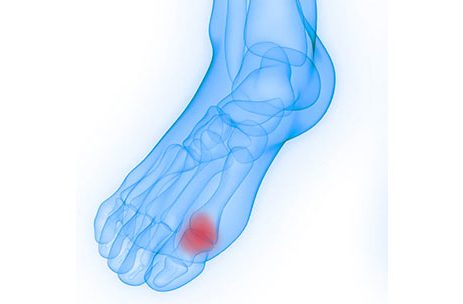
Hallux Limitus Rigidus
Hallux Limitus and Hallux Rigidus involve the joint that is located at the base of the big toe and causes pain and stiffness in the big toe. Being a progressive condition, the toe will become increasingly harder to bend over time. Hallux refers to the big toe. Limitus refers to a decrease in motion of the joint (the early stage) and Rigidus referes to a joint that is rigid with very little to no movement (the later stage). Hallux Rigidius is actually a form of degenerative arthritis. WHAT CAUSES HALLUX LIMITUS RIGIDUS? Common causes of Hallux Limitus Rigidus include: Faulty function and structural abnormalities of the foot that lead to osteoarthritis in...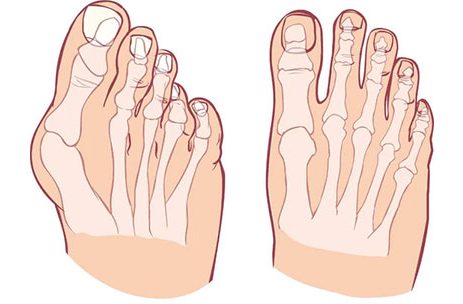
Hallux Valgus
Hallux Valgus occurs when the big toe starts to deviate inward and a bump begins to develop on the inside of the big toe over the metatarsal bone. This condition is the process which develops into a bunion. The tissues surrounding the joint then tend to become swollen and tender. WHAT CAUSES HALLUX VALGUS? Although Hallux Valgus and bunions are generally hereditary, shoe wear can cause abnormal pressure or rubbing which can lead to bunion development. HOW DO I KNOW IF I HAVE HALLUX VALGUS? WHAT ARE THE SYMPTOMS OF HALLUX VALGUS? Shift of the big toe inward toward other toes. Irritated skin around the bunion...