The Benefits of Pet Therapy for Stroke Survivors
They say dog is man’s best friend, but for stroke survivors, a dog can mean even more than that. Dogs tend to respond well to training and have the temperaments to be good companions. For this reason, more and more stroke survivors are finding comfort, support, and assistance during recovery in the form of pet therapy dogs. These animals are not just the pets you’ll find at the pet store; they go through special training to become service animals ready to help in a multitude of ways. And by simply caring for a dog (brushing, feeding, walking), survivors experience therapeutic effects. What...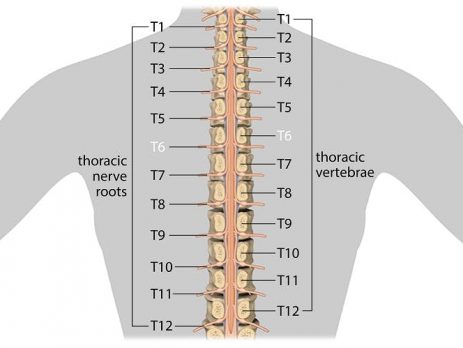
T6 Spinal Cord Injury: 7 Major Secondary Effects
A T6 spinal cord injury can affect motor control and sensation from the top of the abdomen down. Luckily, T6 spinal cord injury patients usually have normal upper extremity functions; therefore, control of the head, neck, shoulders, arms, hands, and chest are often unaffected. This article will help guide you through the potential effects of T6 spinal cord injury and how to approach recovery. What to Expect After a T6 Spinal Cord Injury Before we get started, it’s essential to understand that every T6 spinal cord injury is unique. Depending on how severe the SCI is, individuals can experience a wide variety of different secondary...
Going Back to Work After a Stroke: What You Need to Know
Having a stroke can change a person’s life in many ways. Survivor’s often find themselves unable to speak, swallow, walk, or even use half of their body. These disabilities can make returning to a normal routine difficult, and for many it makes it impossible for them to return to work. While most people think of the very elderly when they picture a stroke survivor, about 20% of strokes occur in people of working age. This means many people find themselves suddenly removed from the workforce against their will. After rehabilitation, many stroke survivors do find themselves able to return to work, but preparing for...