

Hypotonic Cerebral Palsy: Causes, Signs, and Treatment

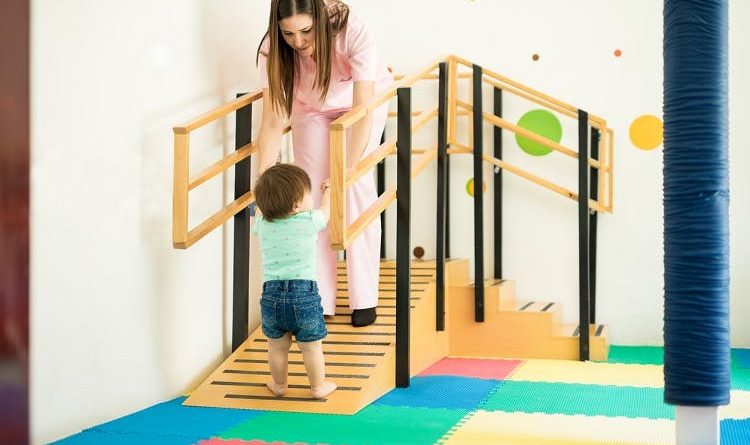
Early management of hypotonia in individuals with cerebral palsy is crucial to maximizing your child’s mobility.
Children’s brains have greater amounts of neuroplasticity than those of adults, which makes it easier for them to adapt and learn new skills. Neuroplasticity refers to the brain’s ability to reorganize its neural circuitry. It allows for functions affected by brain damage to be relearned and improved by healthy, undamaged regions of the brain.
The most effective way to promote neuroplasticity is through highly repetitive and task-specific training. Consistent practice stimulates the brain and encourages neurological adaptations.
However, it’s important to understand that adaptive changes can be beneficial or harmful. The movement patterns your child continuously practices are the ones that become solidified pathways in their brains and develop into habits. Therefore, the earlier abnormal movement patterns caused by hypotonia are addressed, the better the long-term functional outcomes.
Hypotonia Management
Because hypotonia can range from mild to severe, a personalized approach that targets each individual’s specific motor impairments is ideal.
Management interventions for hypotonic cerebral palsy may include:
- Physical therapy. A physical therapist will assess the client’s motor skills and develop a personalized exercise regimen to strengthen underused muscles and improve form.
- Occupational therapy. Occupational therapy can help individuals with hypotonia learn how to be as functional as possible by practicing everyday activities such as eating, dressing, and grooming. Depending on the severity of your child’s hypotonia, an occupational therapist may also teach your child how to use adaptive equipment. They can also focus on the development of skills needed for participation in school, such as fine motor precision skills for handwriting.
- Speech therapy. If hypotonia affects the muscles around the mouth, individuals may struggle with feeding or speech. By working with a speech-language pathologist, individuals with hypotonic cerebral palsy can practice exercises that help strengthen the oral motor muscles or learn alternative ways to be effective communicators.
- Orthotic devices. Orthotic devices like braces, splints, and casts can provide additional musculoskeletal support which promotes correct form and minimizes the risk of falling.
Ultimately, management of hypotonia in individuals with cerebral palsy focuses on promoting functional independence and preventing further muscle weakness. By consistently practicing targeted exercises and activities, individuals with hypotonia can reinforce demand in the brain for those functions and promote neuroplasticity.
Cerebral Palsy and Hypotonia: Key Points
Individuals with hypotonic cerebral palsy experience low muscle tone, which can affect their balance and coordination skills. As a result, they may be prone to falls or struggle with tasks that require precision.
Fortunately, individuals with hypotonia can train their brains to make neurological adaptations and rewire these skills to undamaged regions of the brain. By strengthening underused muscles and consistently practicing movements affected by low muscle tone, individuals can significantly improve their functional independence.
We hope this article helped you better understand what hypotonia is and how it can affect individuals with cerebral palsy.
Keep it going: Don’t leave behind this free ebook with 19 pages of helpful tips for cerebral palsy
Get our free 19-page PDF full of helpful tips for cerebral palsy by signing up below! If you liked this article, you’ll LOVE our free ebook.
When you sign up, you’ll also receive our popular emails that share more tips for life with cerebral palsy — you can opt out anytime.
We will never sell your email address, and we never spam. That we promise.