

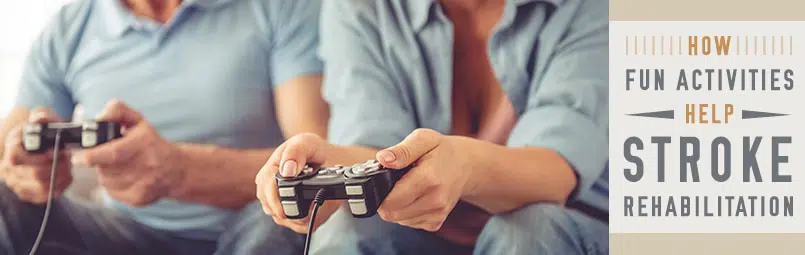
How Fun Activities Help Stroke Rehabilitation
There are a number of ties between physical activity and reduced risk for stroke. Studies have shown that individuals who remain physically active as they get older are between 25 and 30 percent less likely to experience a stroke. Physical activity also plays a huge role in the lives of individuals who do end up experiencing one as it helps in the recovery process.
Exercise after a stroke is a vital factor in regaining function, so finding and participating in exercises that are fun, rather than tedious or boring, can make a big difference during rehab and recovery. It can be difficult to find the motivation to rehab after a stroke, but fun activities help stroke patients stick with their recommended regimens.
The Benefits of Fun Activities
One of the key concepts in stroke recovery is neuroplasticity, which is the brain’s ability to reorganize itself with new neural connections throughout a person’s life. Neuroplasticity is crucial when it comes to compensating for and recovering from the changes brought about by injury or disease. Thanks to the power of neuroplasticity, the mind and body can adapt and recover from tragic events like a stroke, regaining mobility and function.
However, repetition of tasks can be boring and difficult to motivate stroke patients to do. Certified occupational therapy assistant Sheryl Goldman has seen this firsthand. Traditional treatment with tools like blocks, pegs, and cones was too boring for intelligent and active individuals who enjoyed stimulating activities like playing violin, golfing, sailing, and reading before they suffered a stroke. These patients needed something more enjoyable and immersive than conventional rehab tools. To help with this, Sheryl has her patients complete crafts like macramé and play instruments like the xylophone. These activities help address issues with cognition, sensory impairment, and bilateral integration.
While traditional therapy can help stroke victims, fun activities tend to get the job done better because they are more entertaining and feel less overwhelming.
Fun Activities for Stroke Patients
Video Games

Not only are video games a fun way to recover from a stroke, but a number of studies suggest that they are more effective than traditional therapies. Whether a stroke patient uses a mainstream form of technology like the Nintendo Wii or a more specialized system like the SaeboReJoyce, video games are shown to be an extremely positive part of stroke recovery plans.
These types of video systems offer exciting, interactive experiences while incorporating a full range of physical movement, aiding motor function and skills like gripping. In fact, a 2011 study by St. Michael’s Hospital found that patients who played video games were “up to five times more likely to show improvements in arm motor function compared to those who had standard therapy.”
Another study published in the American Heart Association journal Stroke compared typical stroke therapy to therapy that incorporated video games. Specifically, the Nintendo Wii system was utilized. For a period of a few weeks, ten patients used the Wii system in an effort to improve their upper-arm function, while ten patients practiced traditional therapy during that time. At the end of the study, it was found that the participants who used the Wii were able to perform tasks with their arms seven seconds quicker than those patients who had not been rehabbing with the Wii.
Board Games
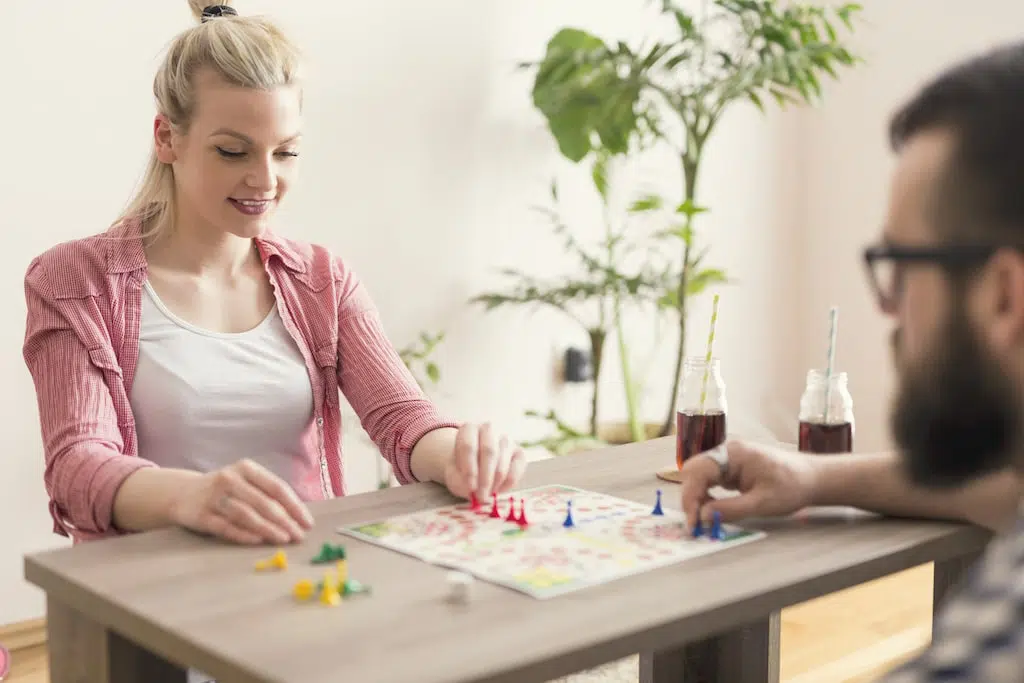
When you’re a child, you probably don’t realize that the games you’re playing are more than just fun. Many board games help with cognitive processes like memory, decision making, reasoning, information processing, and more. This dual benefit of fun and learning also applies to adults who have suffered from a stroke. Games like Scrabble, Connect Four, Jenga, Uno, and classics, such as chess or checkers, can help someone recover from a stroke by exercising the mind.
Crafts
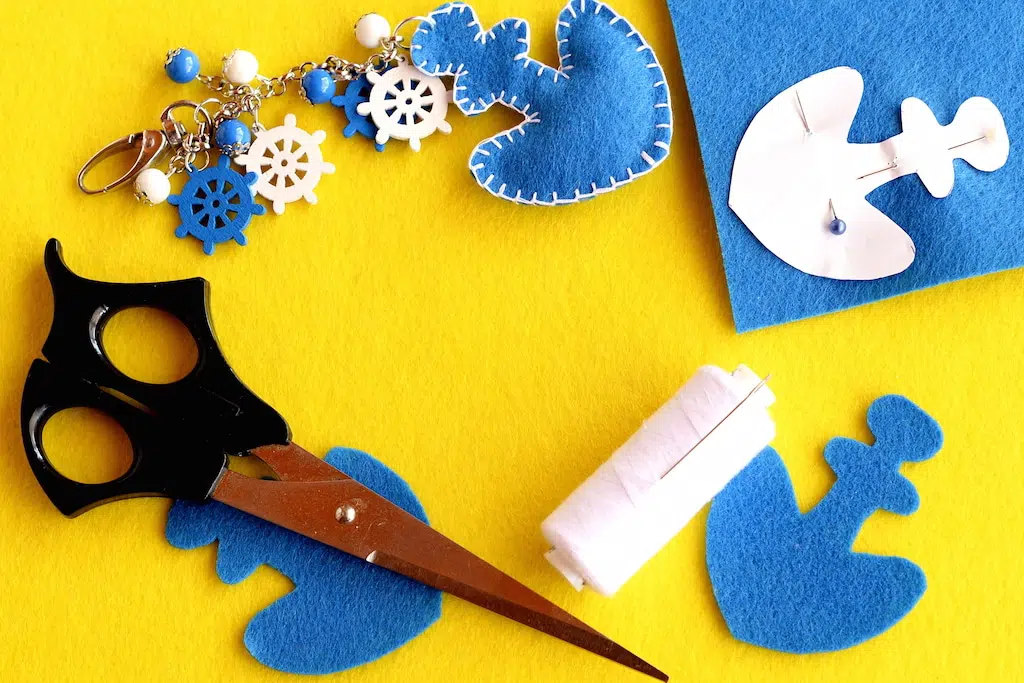
Crafts are an excellent outlet for artistic expression, and fun art projects can provide much-needed mental stimulation for individuals recovering from a stroke. Even in those with severe stroke-related impairments, simple or unstructured crafting projects like painting can provide important benefits. There is a broader range of potential arts and crafts projects for higher-level patients, from activities like Stain-A-Frame to pottery and woodworking.
Regardless of what type of crafting the patient participates in, incorporating this type of activity into a daily routine can provide leisure and relaxation while giving individuals an outlet to express themselves and speed their recovery.
Make Fun Part of the Rehab Routine
The overall process of recovering from a stroke is certainly not fun, but it does not have to feel like a chore either. By incorporating fun activities into a routine of mental stimulation and exercise, the mind and body of a stroke patient can begin to heal and rebound. Activities such as video games, board games, and arts and crafts have proven to be effective and entertaining methods to help individuals who have experienced a stroke be more engaged in the recovery process.
All content provided on this blog is for informational purposes only and is not intended to be a substitute for professional medical advice, diagnosis, or treatment. Always seek the advice of your physician or other qualified health provider with any questions you may have regarding a medical condition. If you think you may have a medical emergency, call your doctor or 911 immediately. Reliance on any information provided by the Saebo website is solely at your own risk.