


Dystonic Cerebral Palsy: Symptoms, Risks, and Management
shop-mgr2023-01-26T14:42:46+08:00Dystonic cerebral palsy is a type of CP primarily caused by damage to the developing basal ganglia. This part of the brain plays a significant role in initiating and controlling movement. Luckily, with the right management, individuals may be able to improve their motor functions and overall quality of life.
To help you better understand what dystonic cerebral palsy is, this article will discuss its symptoms, risks, and management.
Symptoms of Dystonic Cerebral Palsy
Dystonic cerebral palsy refers to a type of dyskinetic cerebral palsy characterized by involuntary muscle contractions in the form of repetitive or twisting movements.
Other common symptoms of dystonic cerebral palsy include:
- abnormal postures
- inward-facing of the feet
- outward shifting of the wrist (ulnar deviation)
- inward curving of the lower back
- slow movements
- feeding difficulties
- speech impairments
- painful movements
- shortening of tendons
Dystonic CP can be focused or can affect all areas of the body, and abnormal postures may last for short or long periods.
Dystonia is usually triggered when an individual actively and purposefully tries to move. For some, dystonia is only triggered by specific movements. Likewise, dystonia can become more severe when the individual is stressed, emotional, or tired.
Now that you’re familiar with what dystonic cerebral palsy may look like, let’s discuss potential risks associated with poorly managed dystonia.
Risks Associated with Dystonic CP
Because cerebral palsy is caused by damage to the developing brain and therefore affects individuals early in life, poorly managed dystonia can significantly affect growth, posture, and overall mobility.
Other risks associated with poorly managed dystonic CP include:
- poor sleep quality
- high energy expenditure and fatigue
- malnutrition
- chronic pain
As with all types of cerebral palsy, the brain damage that caused dystonic CP is non-progressive. However, symptoms can worsen if not properly managed.
In the following section, we’ll discuss interventions to effectively manage dystonic cerebral palsy.
Dystonic Cerebral Palsy Management
Because every individual experiences dystonic cerebral palsy differently, a personalized approach to management is ideal for targeting specific weaknesses and optimizing one’s quality of life.
Below, we’ll discuss some of the most commonly used management interventions for dystonic CP.
Physical Therapy
At physical therapy, your child can learn exercises to help improve their mobility long-term. A physical therapist will assess their functional abilities and create a personalized exercise regimen to maximize range of motion, lengthen tight muscles, and strengthen underused muscles.
Continuously stimulating areas affected by dystonia through repetitive, targeted exercises can help promote neuroplasticity (the brain’s ability to reorganize itself). As a result, motor functions affected by dystonia may be rewired to healthy, non-damaged areas of the brain.
Occupational Therapy
Occupational therapy helps individuals boost their independence by practicing more effective ways to perform everyday activities.
This type of therapy focuses on practical tasks and activities that will help individuals develop the skills necessary to care for themselves. For example, they may practice:
- Activities of daily living (sleeping, toileting, eating, grooming, bathing, transferring, etc.)
- How to utilize adaptive tools
- How to effectively communicate and socialize
Speech Therapy
If dystonic cerebral palsy affects an individual’s oral motor functions, they may struggle with feeding, drooling, and speech. Speech therapy can help individuals strengthen their oral motor muscles through effective activities and exercises. If dystonia is severe, a speech therapist may teach your child how to use alternative forms of communication to be a better communicator.
Medications
The use of medications for dystonic cerebral palsy will vary depending on the severity of motor impairments.
Oral baclofen and anticholinergic drugs like trihexyphenidyl are often used to manage dystonic cerebral palsy. However, because oral forms of these medications cannot effectively pass through the blood-brain barrier, individuals often need higher doses, which can increase one’s risk of side effects.
Another medication that may be recommended is baclofen. Intrathecal baclofen therapy involves surgical implantation of a baclofen pump that injects the drug directly to the cerebrospinal fluid. It allows for a lower dose of muscle relaxant to enter the body and be effective, decreasing the risk of side effects.
This review found that “many studies of intrathecal baclofen treatments have reported significant decreases in dystonia and subjective improvements in mobility, speech and communication, swallowing, head control, sleep, pain and mood, comfort, and ease of care.”
Orthotics
Orthotic devices like braces provide musculoskeletal support, which can help keep affected limbs aligned and prevent deformities caused by uneven muscle strain. Orthotics can also gently stretch tight muscles and help limit the severity of muscle contractions.
Dystonic CP: Key Points
Typically when individuals think of cerebral palsy, they think of spastic CP, which comprises up to 80% of all cases. However, approximately 10-15% of individuals with CP have dyskinetic cerebral palsy. Among those with dyskinetic CP, a significant portion of individuals will have dystonic CP which is characterized by repetitive, twisting movements.
While the brain damage that causes dystonia is irreversible, the use of medications, orthotics, and participation in rehabilitative therapies can help individuals effectively manage their symptoms and improve their quality of life.
Keep it going: Don’t leave behind this free ebook with 19 pages of helpful tips for cerebral palsy
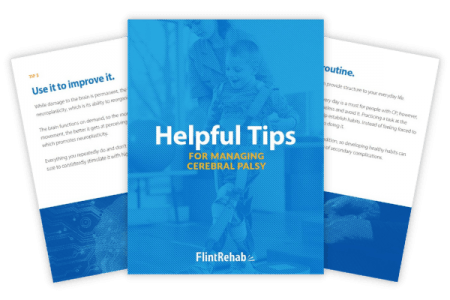
Get our free 19-page PDF full of helpful tips for cerebral palsy by signing up below! If you liked this article, you’ll LOVE our free ebook.
When you sign up, you’ll also receive our popular emails that share more tips for life with cerebral palsy — you can opt out anytime.
We will never sell your email address, and we never spam. That we promise.