

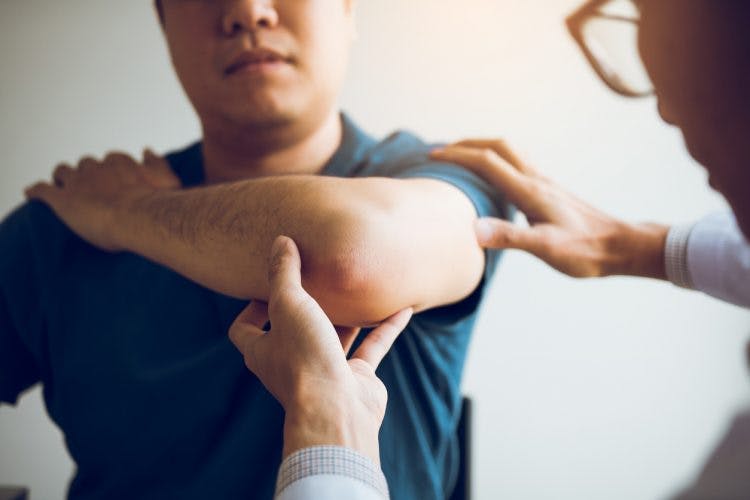
What Flexion Synergy Patterns After Stroke Mean For Recovery
Flexion synergy patterns appear in stages 2 and 3 of the Brunnstrom stages of stroke recovery.
In the first Brunnstrom stage, the muscles are in a state of flaccidity. This means that messages from the brain are not connecting to your muscles, leaving them temporarily paralyzed.
As you enter stages 2 and 3, however, the brain has begun to re-establish a connection to the muscles, and the muscles start to finally “wake up.” That is when synergy patterns can emerge.
Flexion synergy patterns are your brain’s way of relearning how to control your muscles again. This process is slow, but it is possible to help it along.
Treating Flexion Synergy Patterns After Stroke
The best way to overcome flexion synergy patterns after stroke is through repetitive and meaningful practice during stroke rehabilitation exercises. This helps activate neuroplasticity and rewire the brain, which can encourage and promote recovery after a stroke.
The more you move your affected muscles, the more your brain can create new neural pathways that will reestablish communication with muscle groups.
Of course, this can be hard to do, especially when movements are unnatural. That’s why your best option is to work with a physical therapist to find the ideal approach.
As you continue with your exercises, you should eventually achieve normal movement and function — to get as close as possible.
Here are some examples of exercises you can do to overcome flexion synergy patterns:
1. Passive Exercises and Stretching

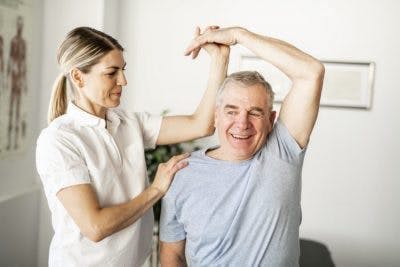
Passive range-of-motion exercises can help you maintain range of motion and may assist in regaining control of your muscles. During passive exercises, the therapist moves your muscles for you.
Even though you technically aren’t moving it yourself, having someone else do the motion is enough to stimulate the brain and rekindle the neural networks that help you move.
2. Sensory Exercises
Sensory stimulus plays a crucial role in synergistic movements. It’s what allows your muscles to know how and where to move.
For example, the receptors in the muscles that send proprioceptive information help the brain determine where your joints are in space. This lets the brain choose which muscles it needs to activate in order to move.
After a stroke, sensation can be diminished. Sensory exercises help you restore your senses and thus improve your movement.
The following are a few helpful sensory exercises you can try at home:
- Joint sensation. Sit blindfolded on a chair, and have a caregiver move your arm to several different positions. Try to identify where your arm is without looking.
- Fingertip touch. While still blindfolded, have someone touch each of your fingertips separately. Your goal is to correctly name which finger they touch. Then take off the blindfold and see if you were right.
Because of your brain’s neuroplasticity, the more consistently you stimulate your senses, the faster your brain will relearn how to interpret sensation and improve synergy patterns.
3. Active Range-of-Motion Exercises
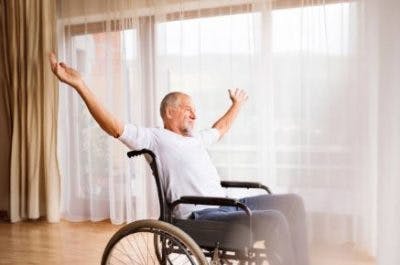
Active exercises are the best way to increase proper synergy patterns and regain voluntary movement.
Examples of active exercises include:
- Hand to opposite knee. Sit on a chair without armrests, lean against the chair’s back, and hold head up. Move your affected hand from your lap to your opposite knee. Repeat 5 times.
- Hand to chin. While sitting in the same position, move your hand from lap to your chin and back down. This gives you a chance to practice the full range of elbow flexion.
Again, when you first start these motions, you will probably not be able to do them correctly. That is fine, just do what you can and keep practicing.
See all active stroke rehab exercises »
Flexion Synergy Patterns After Stroke: Key points
Flexion synergy patterns cause you to move multiple parts of your arm at once. They are uncomfortable, but they are a sign of improving communication between your brain and muscles.
Fortunately, you can overcome flexion synergy patterns with consistent practice of therapeutic rehab exercises. These movements help rewire the brain and allow you to isolate the correct muscle group.
With enough practice, you can regain voluntary control of your muscles and move your arm smoothly again.
Keep It Going: Download Our Stroke Recovery Ebook for Free

Get our free stroke recovery ebook by signing up below! It contains 15 tips every stroke survivor and caregiver must know. You’ll also receive our weekly Monday newsletter that contains 5 articles on stroke recovery. We will never sell your email address, and we never spam. That we promise.