

Understanding Chronic Stroke: What It Means & How to Recover


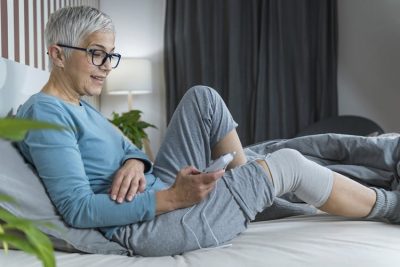
Electrical stimulation is another way to encourage your brain to rewire itself and improve muscle movement after stroke.
It works by sending an electrical impulse directly to your affected muscles, causing them to contract. This stimulates the brain and activates neuroplasticity.
According to research from the American Heart Association, combining electrical stimulation with physical therapy is more effective for stroke patients than just exercise alone. In addition, attempting to activate your muscles when you feel the electric pulse can increase the benefits.
While you can do e-stim from the comfort of your own home, we recommend trying it under your therapist’s supervision first. They can show you the best areas to place the electrodes and how to safely operate the machine.
5. Home Therapy Devices
Home therapy devices such as FitMi are great ways to motivate you to progress in your stroke recovery.
FitMi combines elements of gaming with stroke rehab techniques. These minigames stimulate the brain and make therapy more engaging. In fact, the average patient accomplishes 23x more reps with FitMi than with traditional therapy. That’s because FitMi is designed to motivate players to beat their high scores and complete more and more exercises.
The more exercises you complete, the more you will activate neuroplasticity, which will help you overcome secondary stroke effects much sooner.
Recovering During the Chronic Stages of Stroke
Stroke can affect many major abilities, such as movement and communication. Although recovery can feel slow at times, the brain is capable of repairing itself even during the chronic stages.
To regain abilities, patients must engage in rigorous therapy. This can allow your brain to rebuild neural pathways and regain function again.
Keep It Going: Download Our Stroke Recovery Ebook for Free

Get our free stroke recovery ebook by signing up below! It contains 15 tips every stroke survivor and caregiver must know. You’ll also receive our weekly Monday newsletter that contains 5 articles on stroke recovery. We will never sell your email address, and we never spam. That we promise.