

Right Hemisphere Stroke: Side Effects, Treatment, & Recovery
After a right hemisphere stroke, it’s important to understand the unique side effects that may occur. Every stroke is different, and therefore a stroke on the right side of the brain causes different side effects in different individuals.
There are many patterns among right hemisphere stroke survivors that are worth understanding. Although everyone will experience them differently, it can be helpful to educate yourself about these potential effects so that you can work with your therapist to effectively address them.
Understanding Right Hemisphere Stroke
A stroke occurs when the supply of blood in the brain is obstructed and prevents an area from receiving enough oxygen-rich blood.
There are two main types of stroke: ischemic stroke where a blood clot obstructs an artery in the brain, and hemorrhagic stroke where a blood vessel in the brain bursts.
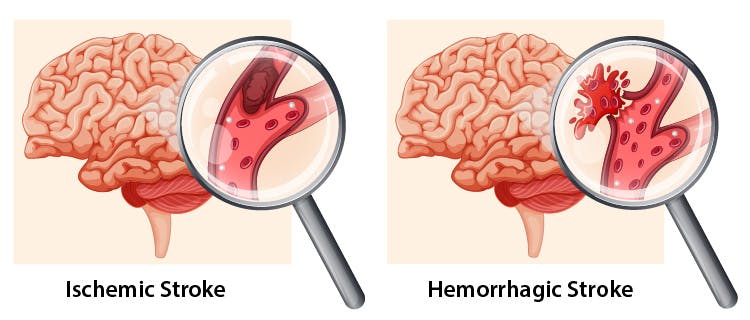
While a stroke is happening, the oxygen-deprived brain cells begin to die, which is why a stroke is considered to be a medical emergency. Immediate medicate treatment can restore the normal flow of blood or stop the bleeding that is causing brain tissue death.
The best way to identify a stroke is to recognize the early warning signs: facial drooping, loss of sensation or weakness on half of the body, and slurred speech. Sometimes a piercing headache is involved, too.
Upon arriving to the hospital for treatment, doctors will restore blood flow either through clot-busting drugs (for ischemic stroke) or surgery (for hemorrhagic stroke).
After treatment, the road to recovery begins. Patients must work to overcome the side effects created by the impact of the stroke.
Secondary Effects of Right Hemisphere Stroke
What could be affected after a stroke occurs on the right side of the brain?
Each half of the brain controls the opposite side of the body. Therefore, a stroke on the right side of the brain results in impairments on the left side of the body. Furthermore, actions controlled by the right hemisphere may become impaired, too.
Right hemisphere strokes may result in the following stroke side effects:
Hemiplegia or Hemiparesis: Weakness or Paralysis on One Side of the Body
Hemiplegia refers to paralysis on the affected side of the body, whereas hemiparesis is defined as weakness on the affected side of the body. After a stroke on the right side of the brain, functional impairments manifest on the left side of the body. Right-sided stroke survivors may struggle with moving their left leg, arm, or hand.
The size of the stroke may be correlated to the severity of the impairments. For instance, a massive stroke in the right hemisphere might lead to paralysis on the left side of the body (hemiplegia) instead of hemiparesis (weakness).
Prosopagnosia: Difficulty Recognizing Faces

After a right hemisphere stroke, some patients may have difficulty recognizing faces – a condition known as prosopagnosia. Many suspect that the inability to recognize faces is linked to damage to the fusiform gyrus (according to an article from CNN), which resides in the right hemisphere of the brain. Damage in this region may cause right-sided survivors difficulty in recognizing family members’ faces, which can be distressing to loved ones.
Left neglect: Unaware of Environment on Left Side
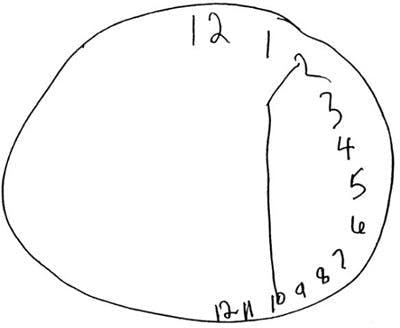
When stroke occurs in the right parietal lobe, some patients may lose the ability to pay attention to the left side of their environment. For example, they may not eat the food on the left side of their plate because they are not aware that it’s there. This is a condition called hemineglect in which stroke survivors have problems observing and attending to the objects in the environment on their left side.
To illustrate this problem, see the image above from the Journal of Neurology where a patient with a right hemisphere stroke was instructed to fill in the numbers on a clock. You will notice that all the numbers have been crammed into the right side because the patient suffers from left neglect.
Homonymous Hemianopia: Visual Changes to Each Eye

The visual cortex spans across both hemispheres of the brain, so vision problems can occur after a stroke that affects either side of the brain. In patients with homonymous hemianopia, one half of the opposite field of vision will be affected. When a stroke on the right side of the brain damages the visual cortex, it can blind patients on the left side of each eye.
Anosognosia: Neglect or Denial of Disability
Unfortunately, some right-sided stroke survivors are in denial of their physical disabilities because the stroke has impacted their self-awareness. A condition called anosognosia occurs when a person with a disability is unaware of its existence. Anosognosia often results from damage to the parietal lobe or fronto-temporal-parietal area in the right hemisphere of the brain.
Unfortunately, this condition may prevent right hemisphere stroke survivors from seeking treatment because they are in denial that disability exists to begin with.
Pseudobulbar Affect: Sudden Outbursts of Emotion
Some stroke survivors may find themselves having uncontrollable outbursts of emotion, like laughter or crying, that are often unrelated to the situation. This condition is called pseudobulbar affect or emotional lability. Patients with pseudobulbar affect may laugh at something that isn’t nearly as funny, for example, or they may laugh inappropriately at a story that is sad. This condition is neurological and occurs in about half of stroke patients. It should not be confused with other psychiatric disorders like post-stroke depression.
Now that you understand the side effects of a stroke on the right side of the brain, what can you do for rehabilitation?
Rehabilitation Methods for Right Hemisphere Stroke Survivors
Rehabilitation and treatment of a right side stroke involves restoring as much function as possible.
The side effects listed above can be remedied, at least partially, by participation in the following rehabilitation methods and stroke recovery treatments:
- Physical Therapy. Massed practice of physical therapy stroke exercises can help improve movement after stroke. Interactive rehabilitation devices can help make this more motivating. Patients with left-sided paralysis can use their right arm to assist the body through exercises if necessary.
- Cognitive Therapy. A speech-language pathologist can be a great asset during recovery from a right-sided stroke. SLPs are trained in helping you recover speech and cognitive function, like object recognition, which can help with conditions like prosopagnosia. Two SLPs came together to create the CT Speech and Cognitive Therapy App to provide speech and cognitive therapy conveniently from your phone or tablet.
- Attention Training. When hemineglect is present, patients can be instructed to turn the head to the left side to bring awareness and attention to their environment. Although this is a compensation technique, it helps train the brain to pay attention to the left side.
- Vision training. Vision problems after stroke should be treated with the help of a team of specialists. Sometimes corrective eyewear from an optometrist can help. Other times participating in vision training may help restore vision after stroke. Because vision is essential for driving and carrying out daily tasks, it’s important to seek professional help.
- Psychotherapy. Some side effects of a right hemisphere stroke affect a patient’s personality. For example, if anosognosia is involved, the patient is in denial that there’s a problem to begin with. One possible solution is a form of talk therapy called motivational enhancement therapy. Ideally, this can help improve self-reflection and reduce the patient’s resistance to treatment.
- Positive Psychology. Another approach to personality and emotional changes after a right hemisphere stroke is positive psychology. This modality focuses on enhancing positive emotion by rewiring the brain for happiness. The book Healing & Happiness After Stroke is a great resource for this.
It’s important for survivors to work closely with a team of therapists to address any effects of a right hemisphere stroke. Not only can your therapist help directly treat any issues, but they can also provide guidance as you develop your own regimen to follow at home.
Right Hemisphere Stroke Recovery
It’s important to note that rehabilitation takes time and the duration varies among patients. Fortunately, your brain is on your side! When you put in the work during rehabilitation, the brain works hard to rewire itself through neuroplasticity.
The brain just needs your help by putting in the time and the reps. You can also support yourself by talking to your therapist to generate a treatment plan for your unique right hemisphere stroke recovery
Keep It Going: Download Our Stroke Recovery Ebook for Free

Get our free stroke recovery ebook by signing up below! It contains 15 tips every stroke survivor and caregiver must know. You’ll also receive our weekly Monday newsletter that contains 5 articles on stroke recovery. We will never sell your email address, and we never spam. That we promise.