

How Spasticity Treatment Works: Understanding Exercise, Botox, & Add-On Therapies

The ability to pinch and grasp objects is important for many of the activities of daily living such as getting dressed or brushing your teeth.
Passive Exercises
When spasticity is severe, or when post-stroke paralysis is involved, you may find it difficult to do active therapy exercises. This is where passive exercises come into play. By assisting your affected muscles through the movement, you can still activate neuroplasticity and encourage the brain to rewire itself. With enough repetition, you may regain some movement.
For example, you can target spasticity in the wrist by practicing a hand exercise passively.
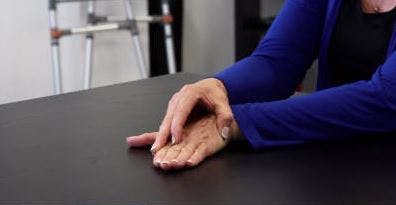
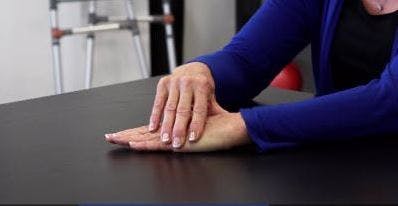
In this exercise, you can use your non-affected hand to move your affected hand through the exercise. This passive movement helps stimulate the brain and encourages spasticity to subside over time.
Range of Motion Exercises
Regardless of the severity of your spasticity, it’s important to move your affected muscles safely through their range of motion multiple times a day. Stretching is important for preventing spasticity from getting worse, along with preventing other post-stroke complications like pressure sores (if you’re bedridden or use a wheelchair regularly). Never stretch to the point of pain.
Therapies to Supplement Spasticity Treatment Exercises
Now that you know the various types of spasticity treatment exercises, let’s discuss two therapies that you can use in conjunction with exercises to enhance your results.
Electrical Stimulation
Electrical stimulation is a type of therapy where electrical currents are applied to the affected muscles through pads that attach to the skin. These electrical currents help stimulate the affected muscles, and promote their communication with the brain even more. In fact, combining electrical stimulation with rehab exercise has been shown to create better results than just exercises alone.
Talk to your therapist to see if it’s a good fit for you and learn where to place the electrodes. Do not use electrical stimulation if you have a pacemaker.
Electro-acupuncture
Acupuncture is an alternative treatment that comes from Traditional Chinese Medicine. It involves placing thin needles into specific “acupoints” on the body. When appropriate, a practitioner can apply electrical stimulation to the needles after they are inserted (electro-acupuncture). Electro-acupuncture has been shown to help reduce spasticity when combined with exercise.
It’s important to note that both electrical stimulation and electro-acupuncture are more effective when combined with rehab exercise, which further illustrates the important of spasticity treatment exercises.
When Is Botox Appropriate for Spasticity?
If you struggle with severe spasticity, then you may have difficulty doing exercises because your muscles will be too stiff. To help loosen things up, talk to your doctor or therapist about Botox injections.
Botox is a nerve block that helps temporarily relieve spasticity. Although the effects will wear off after 3-6 months, you can use the short-term reduction in muscle tightness to practice daily spasticity treatment exercises.
This will address the root problem of disrupted communication between the brain and muscles and encourage long-term improvement.
Other Medications and Procedures for Spasticity
Muscle stiffness and spasticity can also be treated with medications like baclofen, which is a muscle relaxant. It acts on the spinal cord and nerves to improve muscle movement.
This medication can be taken orally, or you can get a pump surgically implanted that releases a continuous supply. It’s called an intrathecal baclofen pump, and you can talk to your doctor to see if it’s a good fit for you.
Side effects from these medications can be severe, which makes a strong case for using the short-term relief provided to practice spasticity treatment exercises for long-term improvements.
There is a surgical procedure for spasticity called a rhizotomy where the surgeon permanently cuts the nerve rootlets in the spinal cord that are sending abnormal signals to the muscles. It’s predominantly used for individuals with cerebral palsy.
The effects are less studied but generally positive for spasticity in individuals with neurological injuries other than CP, such as stroke, traumatic brain injury, and spinal cord injury.
Surgery is permanent and should be carefully considered after other options have been exhausted. Now that you understand the various spasticity treatments available, let’s talk about how to apply them to upper limb and lower limb spasticity.
Upper Limb Spasticity Treatment
Sometimes spasticity affects the upper limb, including the hand, wrist, and arm. Fortunately, there are many spasticity treatments available.
In addition to rehabilitative therapies, Botox is approved by the FDA for upper-limb spasticity treatment. If you would like some relief, talk to your doctor about getting Botox injections for your affected muscles.
Be sure to use the temporary relief to practice daily spasticity treatment exercises at home. If you struggle with sticking to a home therapy program, you can use motivating equipment like Flint Rehab’s FitMi.
The FitMi takes 40 therapeutic rehab exercises and turns them into an interactive experience. You can target specific muscles groups like the arm and hand. Many individuals with spasticity have seen improvement by using FitMi on a daily basis.
Here’s what some survivors with spasticity said about FitMi:

“I had a stroke 19 months ago, and I have hemiplegia on the right side and both my leg and arm were flaccid. My right shoulder, arm, and hand are mostly limp, so when I read about FitMi I figured it could only help. When it arrived I got it all installed, and started with my right arm at five minutes. Since my right side is limp, I have to use my left arm to help, but it really seems to be improving. My severe spasticity fights all the way, but I can feel the improvements in my right upper body. I’ve reached level 74 on the right arm!”
–William Z.
“My Dad wasn’t too motivated to do any exercises at home until I bought FitMi for him. He loves music and looks like it distracts him from pain while exercising. We’ve been using FitMi for over a month and his right arm spasticity is almost gone, we exercise daily.”
-Liudmila A.
William demonstrates the power of passive exercise while Liudmila shares the power of daily practice. No matter how you get your spasticity treatments exercises done, consistency is the key.
Lower Limb: How to Reduce Spasticity in the Legs
When spasticity affects the legs, it can make it difficult to walk and put you at greater risk of falling. Therefore, exercising the legs is an essential step for lower limb spasticity treatment. A great way to do this is through physical therapy.
If you’re eager to add more to your regimen, talk to your doctor about Botox, which is also FDA-approved for lower limb spasticity. Also, there is evidence that electro-acupuncture can be an effective add-on to your spasticity treatment exercises. In a meta-analysis of over 1,425 patients with spasticity, electro-acupuncture was shown to help with both upper and lower limb spasticity.
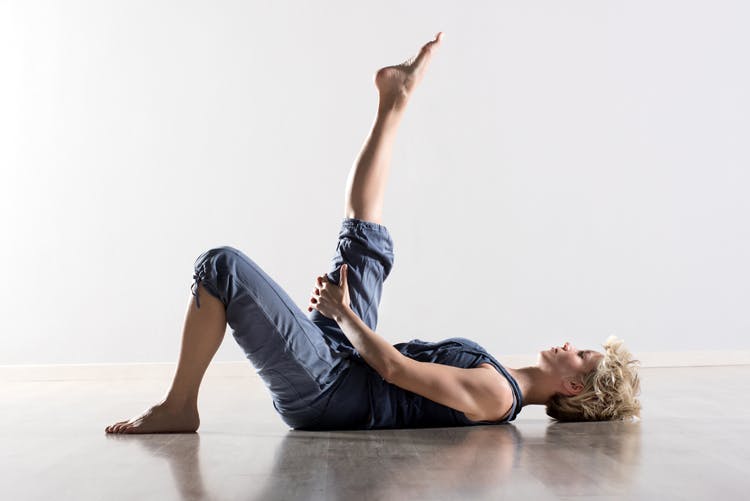
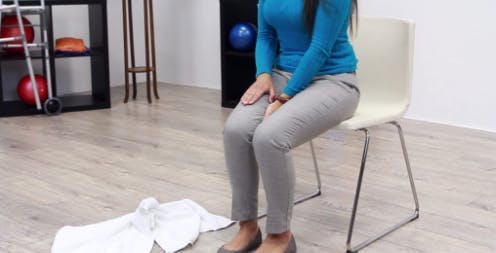
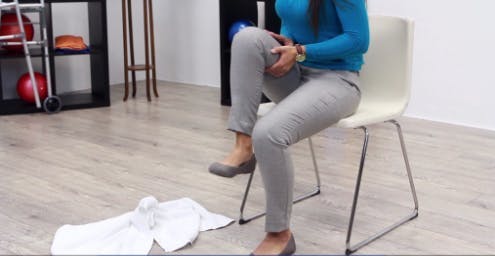
But if you want to optimize your ability to reduce spasticity in the legs, the key is exercise. Do your best to gently stretch your legs multiple times a day, and practice rehab exercises for the legs.
If you can walk with a walker or cane, try to walk daily to get some task-specific exercise. If you can’t walk yet, then have your therapist or a trained caregiver help you exercise your legs passively. The FitMi also contains exercises that target the legs and feet for a structured approach.
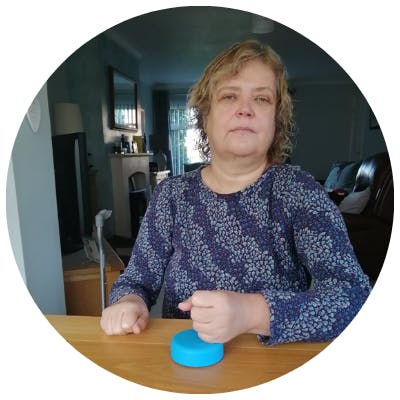

Get our free ebook filled with 25 pages of rehab exercises featuring photos of licensed therapists. Sign up below to get your copy!
When you sign up, you’ll also receive our popular Monday newsletter that contains 5 articles on stroke recovery.
We never sell your email address, and we never spam. That we promise.