

Hyperbaric Oxygen Therapy for Brain Injury: What Does the Science Support?
Hyperbaric oxygen therapy for brain injury appears to offer many promising benefits. But what is oxygen therapy, and how does it work? That’s what we will discuss in this article.
To help you decide whether oxygen therapy is right for you, we’ll look at the science behind it, as well as the evidence both for and against its use in brain injury treatment.
Understanding Hyperbaric Oxygen Therapy for Brain Injury
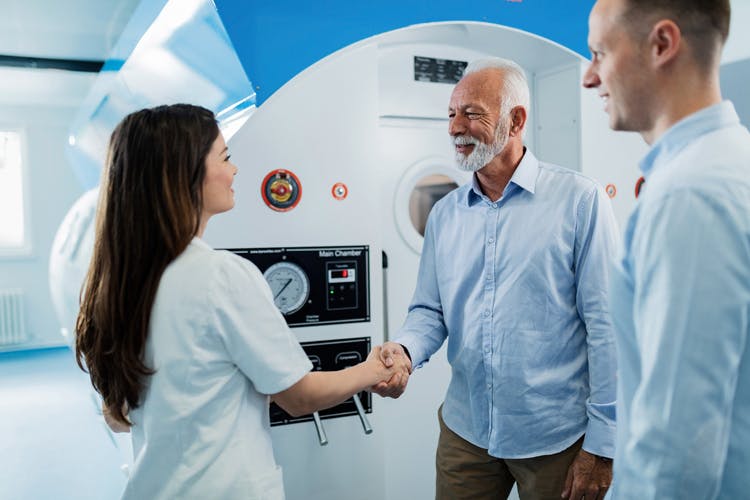
Hyperbaric oxygen therapy (HBOT) involves lying in an enclosed chamber breathing pure oxygen for 60-90 minutes.
The air in the chamber is pressurized at about twice the atmospheric pressure of sea level. The increased pressure compresses oxygen molecules, which lets the body absorb 10 to 15 times the amount of oxygen it does under normal pressure.
HBOT has proven effective at treating many different health conditions. Its primary use is treating people with decompression sickness (also known as the “bends”) but it’s also approved by the FDA to treat carbon monoxide poisoning, radiation necrosis, and persistent wounds that will not heal.
Because oxygen therapy has proven effective in healing different types of wounds, many doctors believe that it could alleviate traumatic brain injury symptoms.
How Does Hyperbaric Oxygen Therapy for Brain Injury Work?

The human brain possesses its own natural repair mechanism, known as neuroplasticity. Neuroplasticity is the process by which the brain rewires neurons to allow undamaged portions of the brain to take over function from damaged ones. And the main fuel for this process is oxygen.
Unfortunately, after an injury, the brain cannot often get enough oxygen to fuel its healing process. When a part of the body does not receive the right amount of oxygen, this leads to a condition known as hypoxia. Hypoxia slows down the healing process and, if left untreated, can trigger premature neuronal cell death (necrosis).
Hypoxia is one of the major secondary brain injuries that doctors try to prevent when treating someone with brain injury. However, once hypoxia sets in, it’s almost impossible to reverse.
That’s where hyperbaric oxygen therapy comes in. The idea is, if the brain receives enough concentrated oxygen, this will dramatically boost the healing process and prevent the effects of hypoxia.
Evidence for Hyperbaric Oxygen Therapy for Brain Injury Patients
The evidence for hyperbaric oxygen therapy for brain injury shows many positive benefits for brain injury patients. Some of these benefits include:
- Improves sensation and language function. Some research, such as the research of Dr. Efrati, a neuroscientist from Tel Aviv University, has shown considerable improvements in patients treated with HBOT. The patients in the study were stroke victims with severe disabilities. By the end of the study, they had partially regained their sensation and language skills.
- Boosts movement and cerebral blood flow. In the same study from Tel Aviv, patients were also able to improve their motor function. In addition, brain scans revealed increased brain activity in damaged areas and increased cerebral blood flow after treatment with a hyperbaric oxygen chamber.
- Improve cognition and prevent secondary injuries. Another study showed improvement in cognition and a reduction of post-concussion symptoms. In addition, 80-90% of TBI patients with headaches, fatigue, depression, and anxiety experienced significant improvement in their symptoms after using oxygen therapy for eight weeks. Other studies also suggest that HBOT is effective within the first several hours after brain injury, where it may prevent secondary brain injuries from developing.
This evidence is certainly promising, but there are some caveats.
Evidence Against Hyperbaric Oxygen Therapy for TBI
On the other hand, some double-blind studies show no significant difference in improvement between those treated with HBOT and those who received a placebo treatment. This may indicate that hyperbaric oxygen therapy is not an effective treatment for brain injury patients.
Still, there is solid evidence from brain scans that demonstrate that hyperbaric oxygen therapy does indeed increase blood flow to the brain, which could have a positive impact on recovery. The more blood the brain receives, the more it can promote fuller cognitive function.
It’s important to note that even supporters of HBOT don’t believe it is useful on its own. Instead, they all agree it’s best used alongside traditional rehabilitation techniques.
Is Hyperbaric Oxygen Therapy Safe?

Hyperbaric oxygen therapy is generally safe, though there are some minor risks involved, such as.
- Inner ear damage. Increased air pressure can cause middle ear damage and hearing problems. Fortunately, plugging your nose and blowing out air through it will relieve pressure in your ears and prevent damage.
- Seizures. Too much oxygen can trigger seizures in people with epilepsy after TBI. Anti-seizure meds can help with that, however.
Finally, people with claustrophobia or other anxiety disorders may have issues lying in an enclosed chamber.
Since no scientific consensus exists on the usefulness of hyperbaric oxygen therapy for brain injury, the FDA has not officially approved it for TBI treatment. As a result, insurance and Medicare do not currently cover it. This means if you do try it, you will have to fund it yourself. However, there may be clinical trials available near you, which can enable you to access this therapy for free.
You’ll also want to make sure you receive oxygen therapy at a medical facility with a trained doctor on staff.
Should You Try Hyperbaric Oxygen Therapy for Brain Injury?
In the end, hyperbaric oxygen therapy is a relatively harmless therapy that could hold a lot of promise for brain injury patients, though the scientific verdict is still out.
The choice is ultimately up to you, but we hope this article has given you the information you need to make the best decision for your recovery.
Keep it going: Do you know these 15 essential TBI recovery tips?
If you like our content, you’ll love our ebook and newsletters! Get instant access to our TBI recovery tips ebook with 20 pages of helpful advice by signing up below.
You’ll also receive our emails that share survivor stories and more useful TBI recovery tips, which you can opt out of at any time. (We know you’ll love them, too.)
We will never sell your email address, and we never spam. That we promise.