


Can Head Injury Cause Parkinson’s Disease? Understanding the Link
Can head injury cause Parkinson’s Disease? And does a traumatic brain injury increase a person’s chances of developing Parkinson’s?
Although it is rare for a head injury to cause Parkinson’s, it is a possible secondary effect you should be aware of. Head injuries can also trigger certain movement disorders that look similar to Parkinson’s Disease but are in fact different.
Today you will learn more about the link between brain injury and Parkinson’s Disease. Then, at the end, we’ll show you how to treat Parkinson’s and other motor problems after head injury.
Causes of Parkinson’s Disease
Parkinson’s Disease (PD) is a disorder of the central nervous system that causes problems with movement.
With PD, certain neurons in the area of the brain called the substantia nigra break down and die. These neurons produce the chemical dopamine.
Dopamine acts as a messenger between the parts of the brain and nervous system that coordinate movement. Therefore, when dopamine levels decrease in the brain, this can lead to abnormal and slowed movements.
The symptoms of PD only appear when 80% of the neurons in the substantia nigra have died. This is why PD is considered to be a slow progressive disease.
The precise cause of PD is still unknown; however, it is most likely due to a combination of genetic and environmental factors.
Does Head Injury Lead to Parkinson’s Disease?
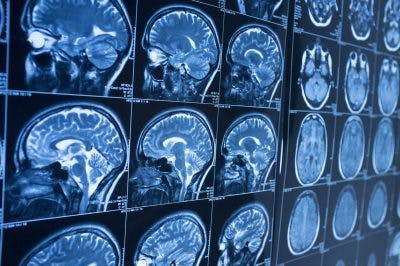
According to a study published in the journal Neurology, a head injury, specifically a mild traumatic brain injury (TBI), does in fact lead to an increased risk of PD. The study was conducted using the VA’s databases and identified all patients treated by the VA with TBI. The results found that:
- Patients with mild TBI and brief loss of consciousness had a 56% increased risk of developing PD compared to patients without any history of head injury.
- Patients with severe TBI were at an 80% higher risk of PD compared to healthy subjects.
- A single mild TBI with no loss of consciousness did not lead to a significant risk increase for PD.
Although head injury does increase a person’s risk of PD, it should be noted that the likelihood of developing the full disease is still relatively low. In fact, in the study, only about 1% of patients were diagnosed with PD.
What is more likely, however, is that a person might develop a form of parkinsonism.
Difference Between Parkinson’s Disease and Parkinsonism
Parkinsonism is an umbrella term used to describe a group of movement disorders that share similar symptoms.
The signs of parkinsonism include:
- Resting tremors
- Stiff muscles
- Slow or delayed movements
- Difficulty with balancing and walking
Parkinsonism can also cause people to perform uncontrolled, repetitive movements, known as “tics.”
PD is the most common type of parkinsonism, but there are other types that have more specific causes, such as:
- Drug-induced parkinsonism. This occurs when a person takes a medication that lowers dopamine levels. Symptoms usually disappear once the medicine is stopped.
- Vascular parkinsonism. Stroke can cause certain parts of the brain that control movement to die, leading to Parkinson-like symptoms.
- Post-traumatic parkinsonism. Brain damage to the cerebellum or basal ganglia can also cause movement disorders that look a lot like Parkinson’s Disease.
Whether you have PD or some other form of parkinsonism, treatment will mostly be identical.
Treating Parkinson’s Disease After Head Injury
There is currently no cure for PD. However, it is possible to treat the symptoms through physical therapy and medications.
Physical Therapy

Physical therapy can help you improve muscle strength and control, which might help reduce tremors and dystonia, both common symptoms of parkinsonism.
Through PT exercises, you can activate the brain’s neuroplasticity, which rewires the brain and strengthens the neural signals sent to your muscles.
If these stronger signals can get to the muscles affected by tremors, it could reduce them.
Therapists can also fit you with orthotic braces or weights, which can stop tremors by keeping the affected muscle stable. It is not a permanent fix, but it is sometimes enough to restore function.
Speech Therapy
Parkinson’s is mainly known for causing hand tremors and slowed movement, but it can also cause speech problems.
For example, tremors can affect a person’s voice box or throat muscles, making it difficult to swallow or talk.
Fortunately, there are speech therapists who are trained in a technique called Lee Silverman Voice Treatment (LSVT), a therapy designed specifically for patients with PD. The LSVT is an intensive therapy involving 16 sessions in one month, but it can greatly improve a person’s quality of life.
To learn more about LSVT and find a qualified speech therapist, go here.
Medications

Medications for parkinsonism are mostly focused on increasing dopamine levels in the brain. Some of the most common medications prescribed include:
- Carbidopa-levodopa. A naturally occurring chemical that converts into dopamine when it enters the brain.
- Dopamine agonists. These drugs release a chemical that mimics the effects of dopamine on the brain.
- Amantadine. This drug is actually an anti-viral that can improve muscle control and reduces stiffness.
- MAO–B inhibitors. Prevents dopamine from breaking down.
Many of these medications can have serious side effects, such as drowsiness, hallucinations, and compulsive behavior. Therefore, make sure to have close supervision from your doctor.
Deep Brain Stimulation
In severe parkinsonism cases, a doctor might recommend surgical interventions to treat tremors and other symptoms.
Deep brain stimulation (DBS) is the most effective surgical treatment for tremors. It uses surgically implanted electrodes to send high-frequency signals to the thalamus, the structure in the brain that controls involuntary movements.
The electrical signals are sent from a small device, similar to a pacemaker, that is placed under the skin in the person’s chest. When the signals reach the thalamus, they disable the tremors.
DBS is effective at eliminating tremor and has been approved by the FDA as a treatment for Parkinson’s Disease. While more studies are still needed before it is approved for post-traumatic parkinsonism, the current research is promising.
However, deep brain stimulation is an invasive surgery, which makes it the riskiest treatment option. Some possible side effects include dysarthria (slurred speech) and balance problems.
Brain Injury and Parkinson’s Disease
Head injuries can increase a person’s risk of developing Parkinson’s Disease and other forms of parkinsonism.
However, even with the increased risk, it is still a rare side effect of brain injury. Only about 1% of TBI patients will experience parkinsonism.
If you do end up diagnosed with post-traumatic parkinsonism, treatment will most likely involve a combination of physical therapy and medication.
Keep it going: Do you know these 15 essential TBI recovery tips?

If you like our content, you’ll love our ebook and newsletters! Get instant access to our TBI recovery tips ebook with 20 pages of helpful advice by signing up below.
You’ll also receive our emails that share survivor stories and more useful TBI recovery tips, which you can opt out of at any time. (We know you’ll love them, too.)
We will never sell your email address, and we never spam. That we promise.